Imagine holding a scarf so dense and warm it feels like a hug, or a tote bag that stands up on its own thanks to a fabric that looks woven but is made with a single hook. That is the magic of Tunisian crochet. It creates a tidy, sturdy, and display-worthy fabric that bridges the gap between knitting and crocheting. Whether you are looking to create a squishy pillow or a structured wearable, mastering these 25 stitches will transform your crafting experience.
Why the Finished Piece Stands Out
What makes Tunisian crochet projects truly special is the unique drape and density of the fabric. Unlike standard crochet, which can be looser and more open, Tunisian stitches create a tight, grid-like structure that holds its shape beautifully. This makes finished pieces incredibly practical for everyday use. A Tunisian scarf won’t stretch out of shape over time, and a Tunisian bag offers durability that rivals woven textiles. The texture itself is visually striking, offering a subtle vertical grain that looks sophisticated in solid colors and dynamic in gradients. It is a technique that rewards patience with a professional, polished finish that looks far more complex than it actually is.
Project Overview
Tunisian crochet is a beautiful blend of crochet and knitting. You simply won’t believe how easy it is, and that you can even try it instantly with just your regular crochet hook. Whether you’re a beginner just picking up your first Tunisian hook or an advanced crocheter looking to expand your stitch library, this list of 25 Tunisian crochet stitches will definitely inspire your next project. Tunisian crochet (also known as “Afghan crochet”) is a crochet technique that creates textured, woven-like fabric. These techniques combine the simplicity of crochet with the knit-like look of Tunisian stitches. They are worked in two ways – there and back. First, you pick up loops throughout the row, which is called a forward pass. Next, you crochet in the opposite direction, working all loops off the hook, which is called a return pass.
Materials
To get started with these Tunisian stitches, you will primarily need:
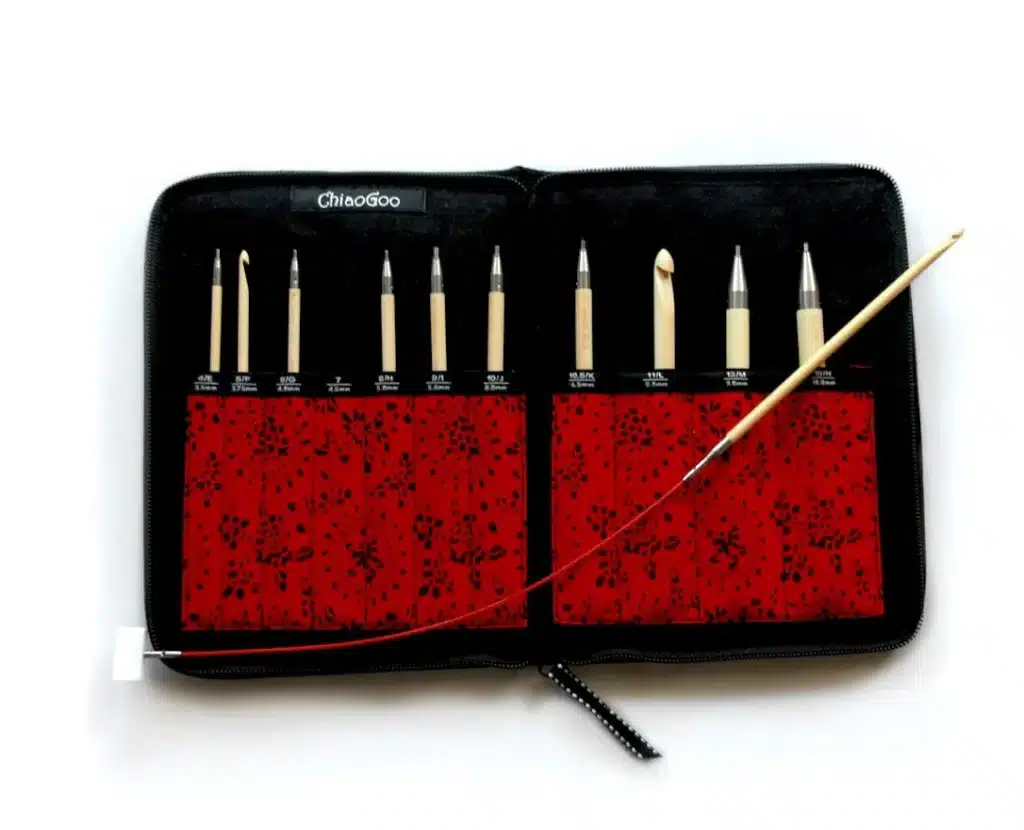
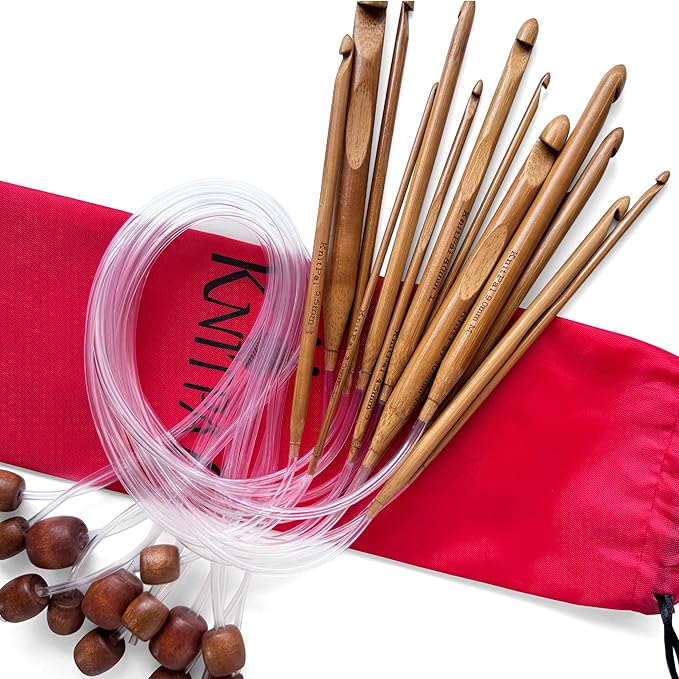
- Tunisian Crochet Hook: While you can use a regular crochet hook, a Tunisian hook with an extended shaft or a cord is recommended for comfort and ease of managing many loops.
- Yarn: Any weight works, but worsted weight is ideal for beginners to see stitch definition clearly.
- Scissors and Tapestry Needle: For finishing.
Gauge and Finished Size
Gauge varies significantly depending on the specific stitch chosen (e.g., Tunisian Simple Stitch is dense, while Tunisian Mesh Stitch is open). Always check the specific tutorial for the stitch you are using to determine the correct hook size and gauge for your desired finished size.
Pattern Notes
Tunisian Stitches are very straightforward and easy to learn. In my opinion, Tunisian basic stitches are even easier to learn than basic crochet stitches – there are no turning chains, and it’s harder to skip the stitch by accident. All stitches are ‘gathered’ on the hook at the same time, which straightens them up; it’s much easier to maintain the tension, which gives you even, straighter-looking projects. From simple scarves and blankets to advanced colorwork, Tunisian crochet stitches open up endless creative possibilities. Whether you love texture or want to combine knitting and crochet in one project, learning these stitches will add exciting variety to your crafting repertoire.
Pattern Instructions
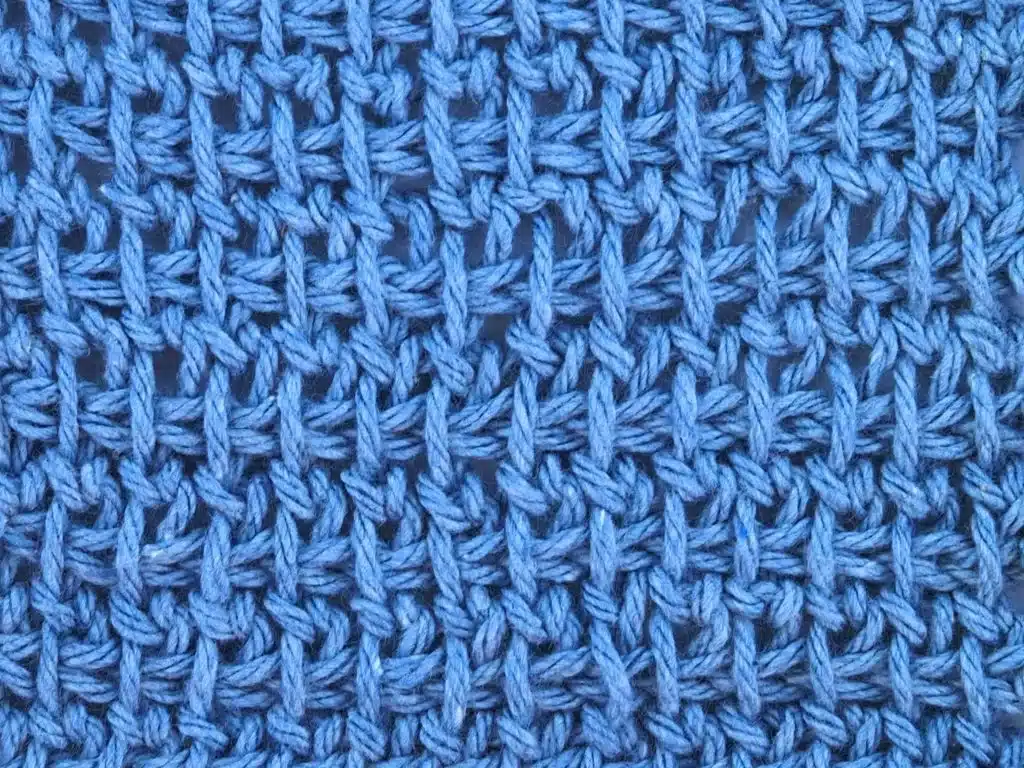
1. Tunisian Simple Stitch Tutorial (TSS)
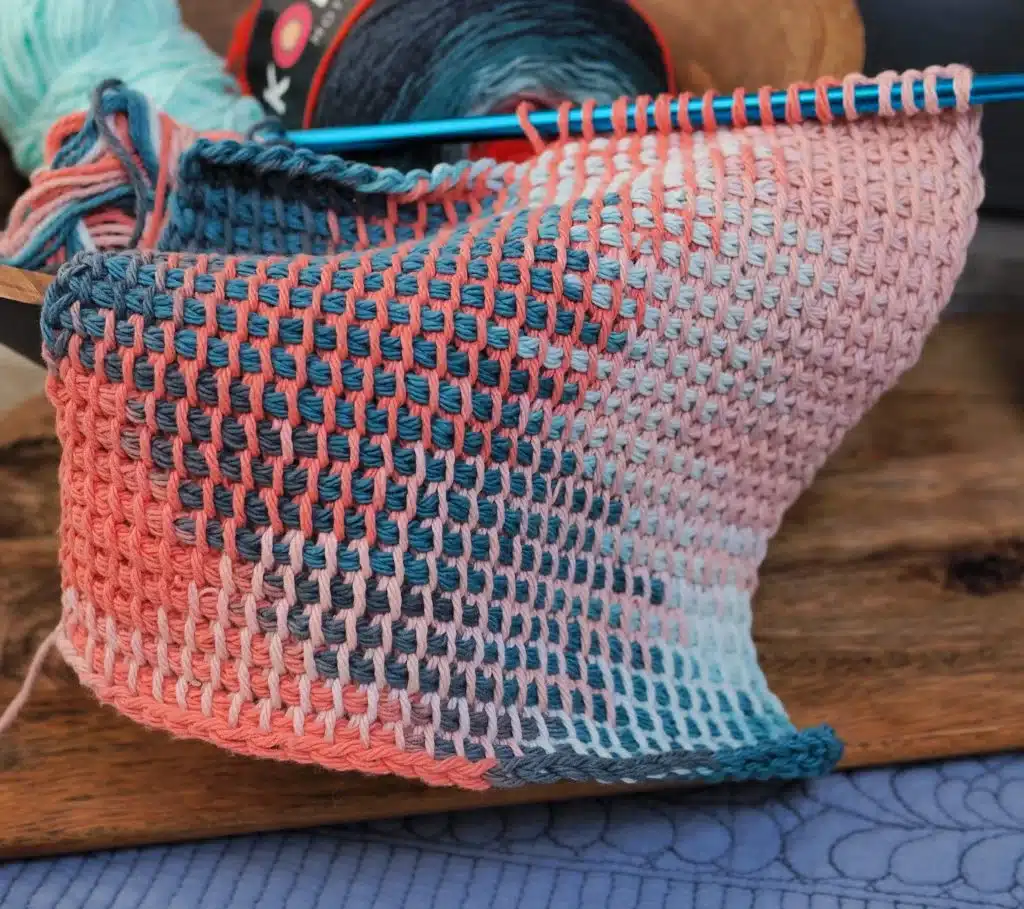
The most popular, basic Tunisian crochet stitch creates a dense, grid-like fabric. How to do it: This easy Tunisian crochet stitch is made by inserting the hook under the front vertical bar of the stitch, yarning over, and pulling up a loop when working on a forward pass. Its dense, warm texture can be used for winter wearables (eg. scarves), and the grid-look creates fantastic potholders or totes, bags. It’s also perfect to give softness to a modern, contemporary interior in the form of pillows, placemats, runners, or sofa covers. The Tunisian Simple Stitch looks stunning with ombré yarn because its clean, woven texture beautifully showcases smooth color transitions. The subtle vertical bars highlight each shade, making the gradient effect stand out.
2. Tunisian Purl Stitch (TPS)
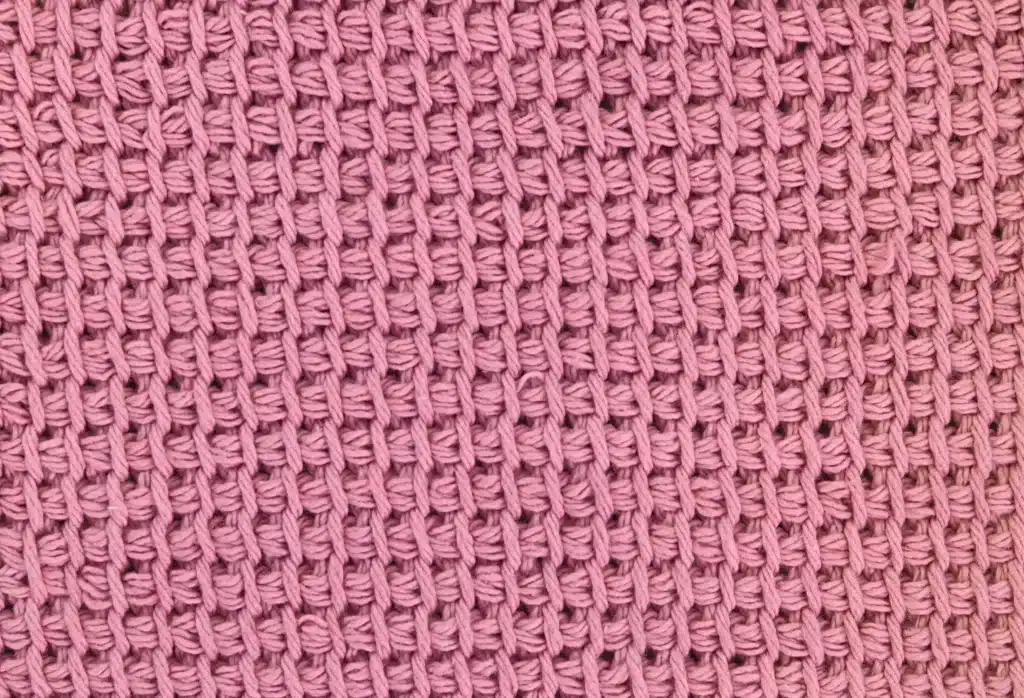
Creates a knit-like purl bump on the fabric, similar to purl stitches in knitting. How to do it: To crochet TPS, you bring the yarn to the front, put the hook under the front vertical bar from right to left, yarn over from front to back, pull up a loop, and then finish the return pass. Tunisian Purl Stitch works well for textured patterns and stitch combinations (like basketweave, cables, or seed stitch). It also makes stretchy bands for edges, cuffs, and hems when alternated with Tunisian Knit Stitch.
3. Tunisian Knit Stitch (TKS)
Mimics the look of knitted stockinette. How to do it: The Tunisian Knit Stitch (TKS) is made by inserting the hook through the center of the stitch between the front and back vertical bars, yarning over, pulling up a loop across the row, when working a forward pass. You can use Tunisian Knit Stitch to make winter scarves, sweaters, and blankets. Its elasticity, combined with its dense texture, makes it exceptionally good for winter socks, neck warmers, etc.
4. Tunisian Full Stitch (TFS)
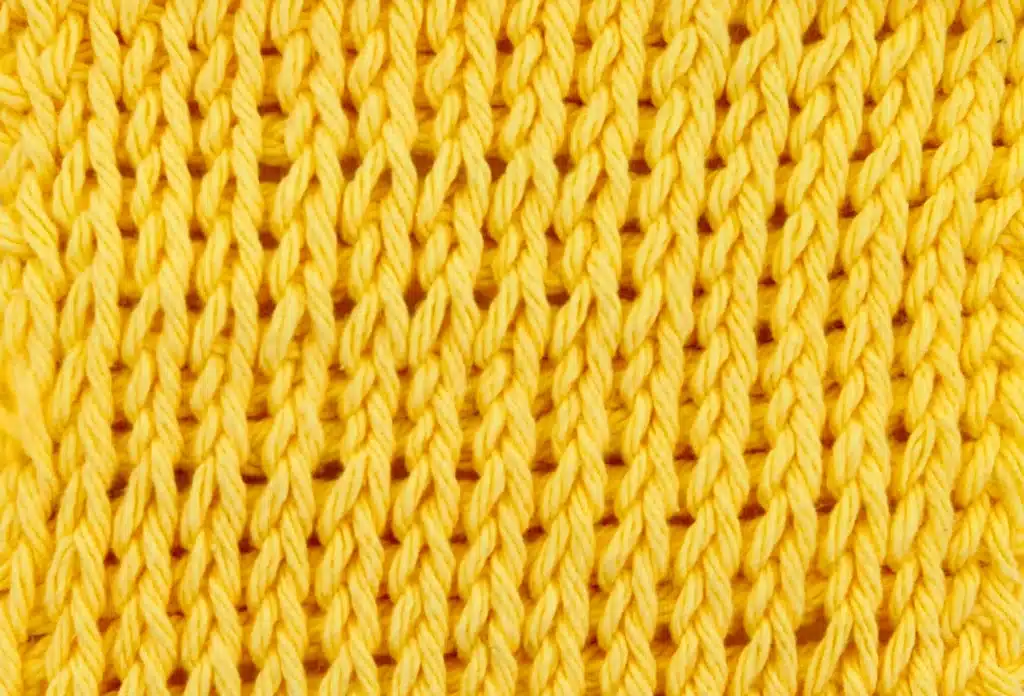
This is a staggered, easy stitch pattern with beautiful openness. The Tunisian Full Stitch (TFS) is a popular variation in Tunisian crochet that produces a beautiful pattern of staggered vertical bars that interlock. How to do it: The Tunisian Full Stitch (TFS) is made by inserting the hook between the stitches (under the horizontal space between vertical bars), yarning over, pulling up a loop across the row, and then working a return pass. As the Tunisian Full Stitch is sturdy and good for scrubbing, you will want to use it for dishcloths or washcloths. It’s also great for baby blankets and afghan, especially when warmth is the goal. It also does very well in scarves and cowls (nice cozy texture, not too airy), cushion covers or home décor (holds shape well), as well as bags and pouches (dense fabric makes them durable and very suitable for “containment”).
5. Tunisian Reverse Stitch (TRS)
Worked from back to front, giving a bumpy, pebbled texture. How to do it: The Tunisian Reverse Stitch (TRS) is made by inserting the hook from right to left under the back vertical bar of the stitch, yarning over during the front pass. The Tunisian Reverse Stitch creates a purl-like, bumpy surface on the front, giving projects a cozy and textured look. When alternated with Tunisian Simple Stitch, it helps limit curling. Great for projects such as scarves, blankets, dishcloths, and garments where a softer, less even texture is desired. Often used for contrasting stitch patterns, ribbing, or textured designs like basketweave.
6. Tunisian Crossed Stitch
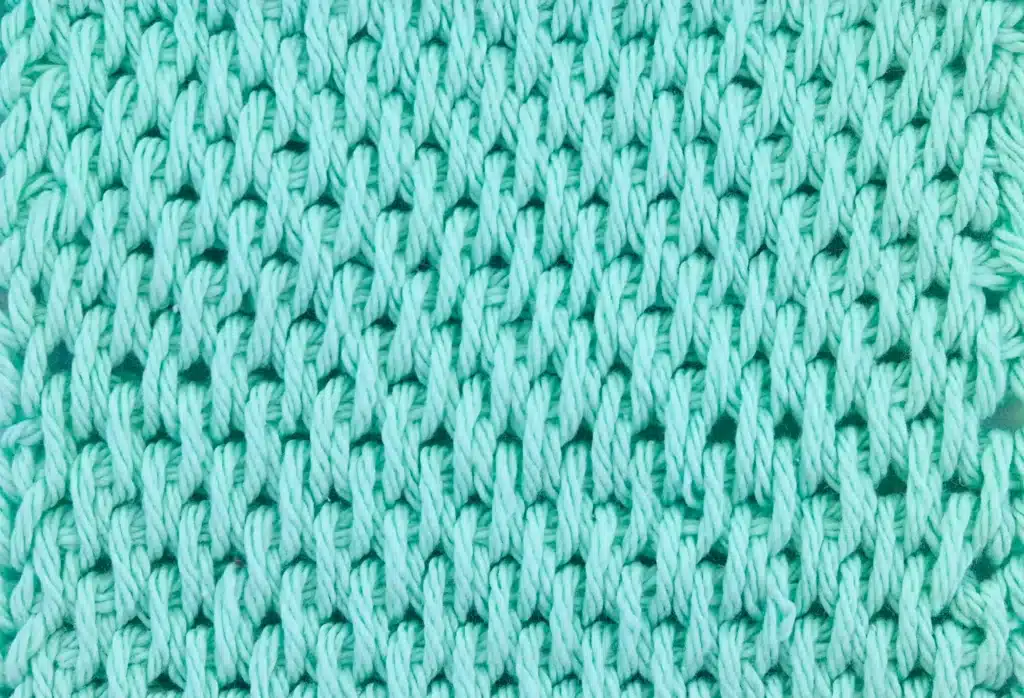
Creates an “X” effect by crossing loops. How to do it: Instead of inserting the hook straight into the next vertical bar (like in Tunisian Simple Stitch), you skip one stitch, work into the next, then go back and work into the skipped stitch. The Tunisian Cross Stitch makes a dense and textured fabric which works especially well for winter scarves and cowls, blankets and throws, cushion covers and bags. Also, you can use it for borders or accents in other projects.
7. Tunisian Twisted Simple Stitch
Loops are twisted for a tighter texture. How to do it: The Tunisian Twisted Simple Stitch (TTSS) is a variation of the Tunisian Simple Stitch where you insert the hook from left to right (instead of the usual right to left) under the front vertical bar, twist it slightly, yarn over, and pull up a loop before completing the return pass. As Tunisian Twisted Simple Stitch creates a denser, tighter fabric, it’s often used to reduce gaps and see-through holes in Tunisian textures. Also works perfectly for warm winter garments.
8. Tunisian Smock Stitch
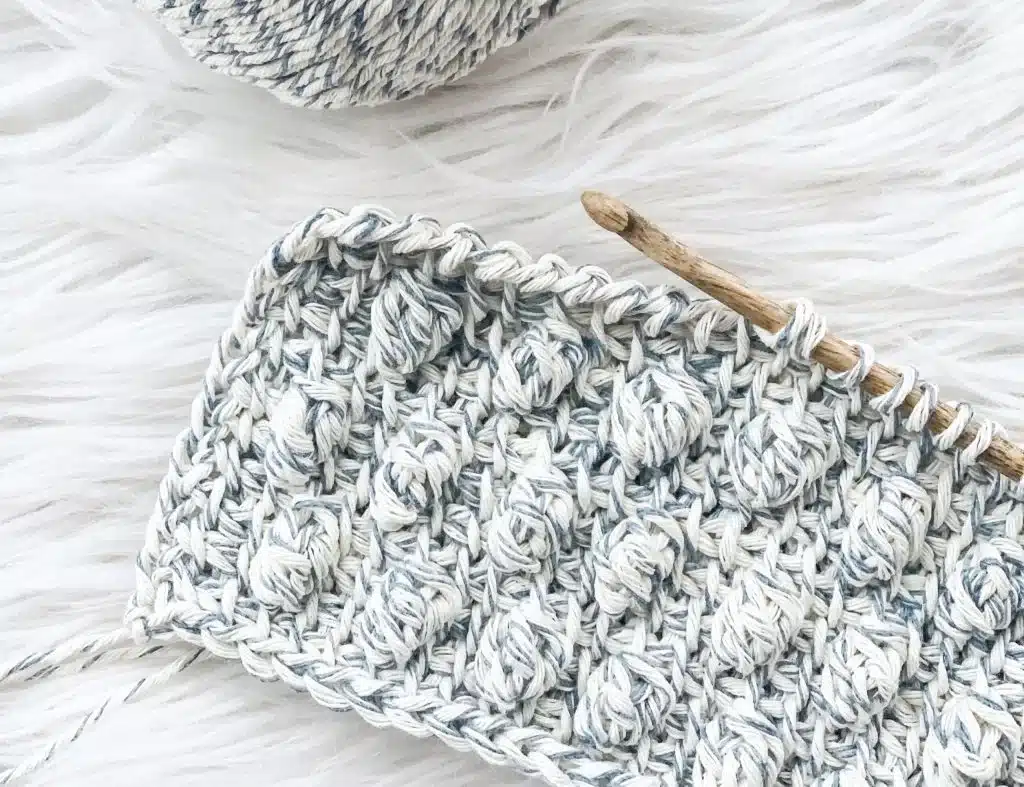
Gives a quilted, beautiful diamond or honeycomb-like pattern across the fabric. How to do it: The Tunisian Smock Stitch is based on the Tunisian Simple Stitch, so you pull up loops in the normal way, but in certain places you insert the hook under two adjacent vertical bars together instead of just one. Because of its rich, quilted texture and diagonal lines, the Tunisian Smock Stitch is a popular stitch for almost any type of crochet projects, from blankets and pillow covers thought bags and pouches to shawls and cowls. You can use it as an accent panel in a garment project as well.
9. Tiny Clusters Tunisian Crochet Stitch
The Tiny Clusters Stitch is a textured, decorative stitch that adds a little puffed detail to your fabric, almost like miniature bobbles or popcorns, but more subtle. It’s often used to add interest without making the fabric too bulky. The small clusters look like little pearls/dots, evenly spaced in rows. How to do it: To make that stitch, you will base it on the Tunisian Simple Stitch (TSS), but instead of working just one loop per vertical bar, you yarn over and pull through two or more times into the same stitch before moving on. It will create a small cluster on vertical bars. As all textured stitches, Tiny Clusters Stitch is uses to make blankets (especially baby ones), warm scarves and cowls, pillows, and accent panels. Its bumpy texture is useful particularly in dishcloths and washcloths.
10. Tunisian Extended Simple Stitch (EXTSS)
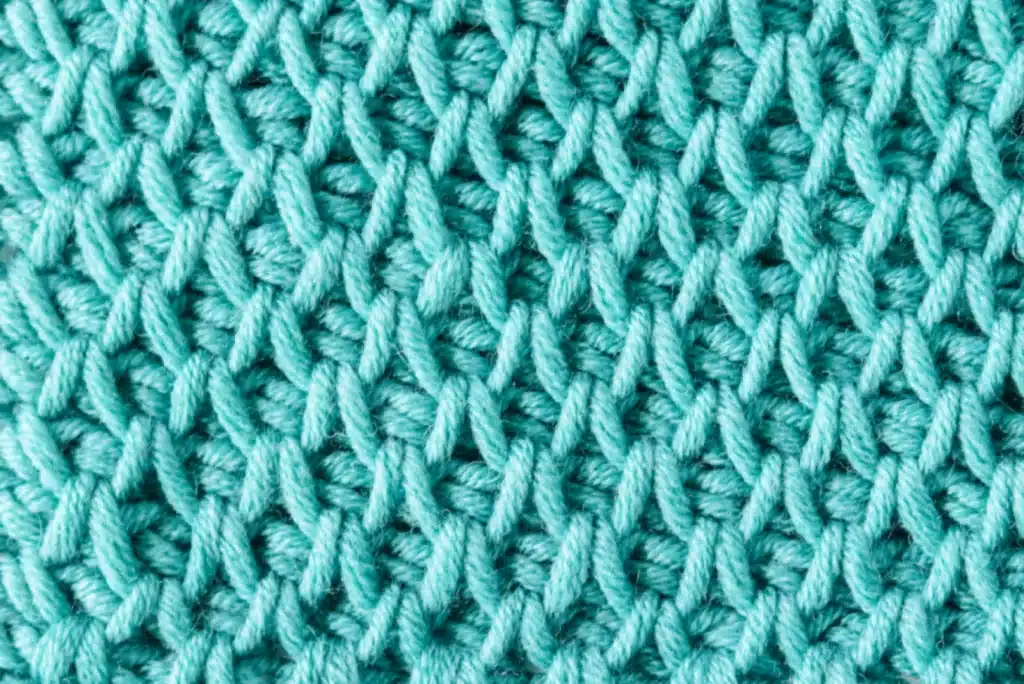
This stitch is one of the simpler Tunisian stitch variations, and helps to make your texture taller and drapier. It is a modification of Tunisian Simple Stitch, but you can do it for any other Basic Tunisian Stitches as well. How to do it: The stitch technique is similar to the Tunisian Simple Stitch (TSS), but you slightly modify the forward pass by adding a chain at the beginning of the row and after pulling up a loop. As this stitch is more airy and open than the regular Tunisian stitch, you can use it for lighter summer projects and wraps. You can also combine this stitch with other stitches to introduce more texture, reduce curl, and add more function. For example, In garments, EXTSS works beautifully in areas where you want more stretch and flexibility.
11. Tunisian Mesh Stitch
Creates an open, airy fabric ideal for lightweight projects.
12. Tunisian Honeycomb Stitch
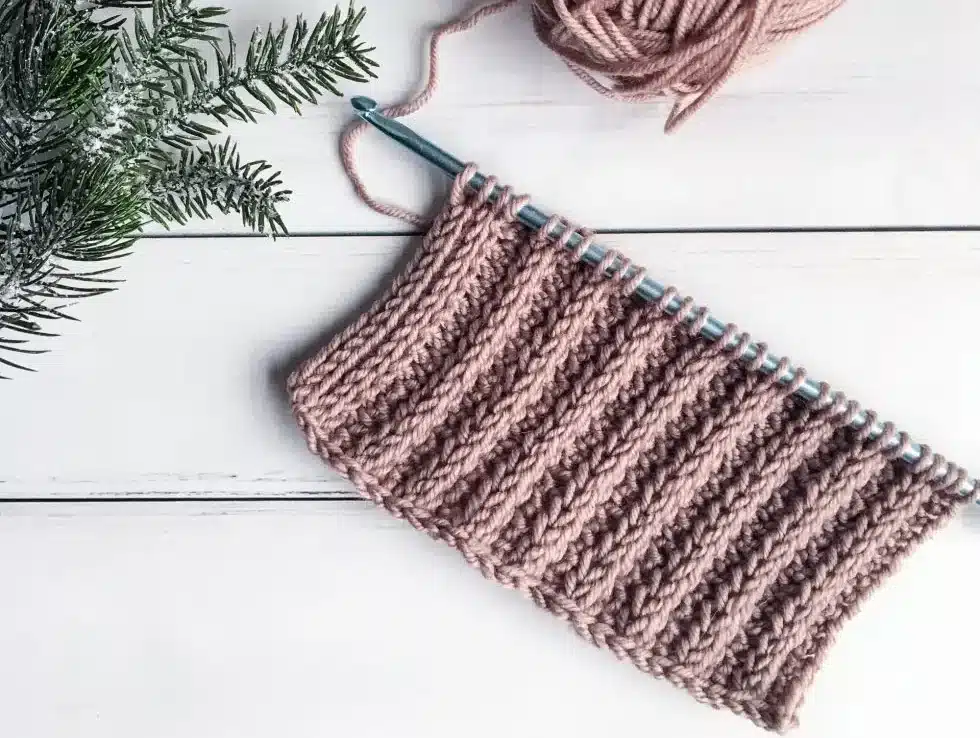
Produces a distinct honeycomb texture through specific stitch manipulation.
13. Tunisian Half Double Crochet Stitch
A variation that mimics the look of half double crochet in standard crochet.
14. Tunisian Wave Stitch
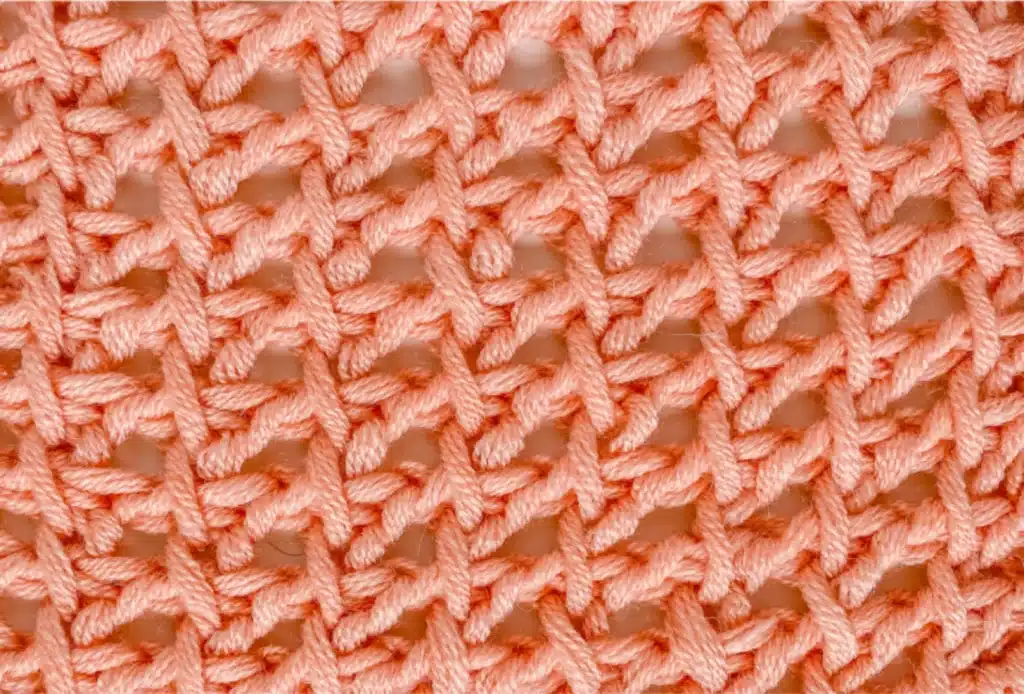
Creates a wavy, rippled texture across the fabric.
15. Tunisian Puff Stitch
Adds dimensional puffs for a highly textured, decorative look.
16. Tunisian Basketweave Stitch
Alternates stitches to create a classic woven basket pattern.
17. Tunisian Seed Stitch
Creates a bumpy, speckled texture similar to knitting seed stitch.
18. Tunisian Brick Stitch (Grid Stitch)
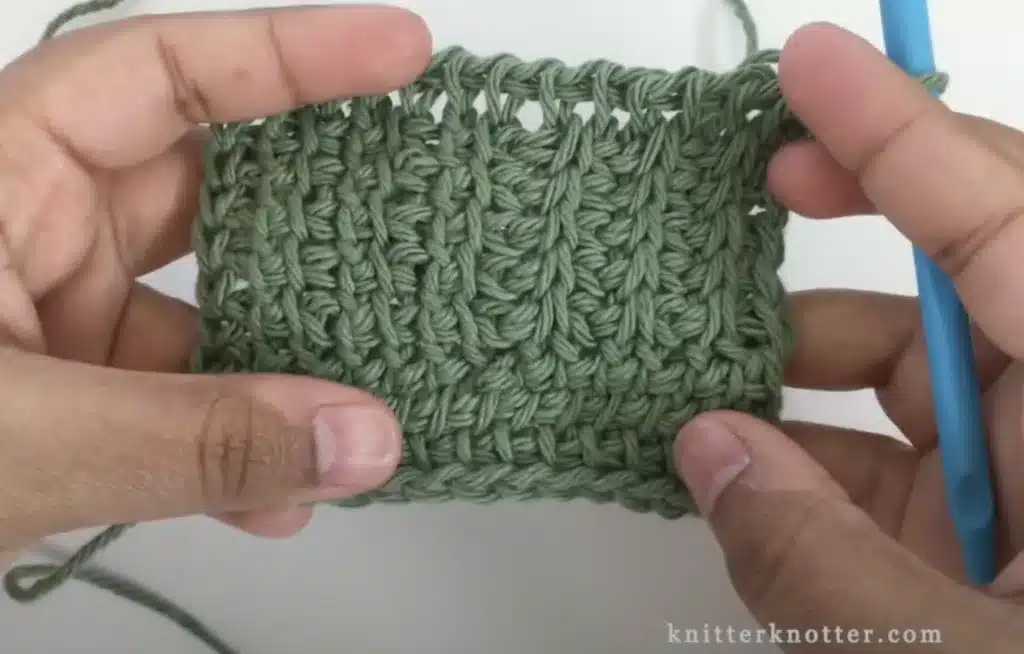
Forms a staggered brick-like pattern across the row.
19. Tunisian Rib Stitch
Creates vertical ribs, excellent for cuffs and edgings.
20. Tunisian Moss Stitch
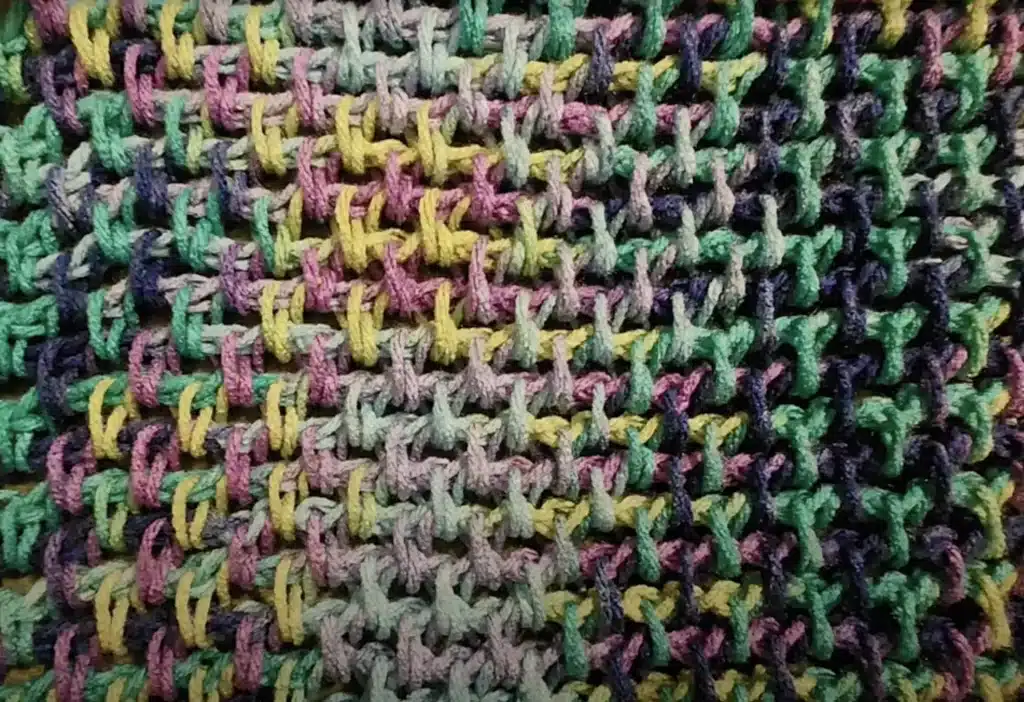
A combination of stitches that creates a dense, mossy texture.
21. Tunisian Waffle Stitch
Produces a deep, waffle-like grid texture.
22. Tunisian Bobble Stitch
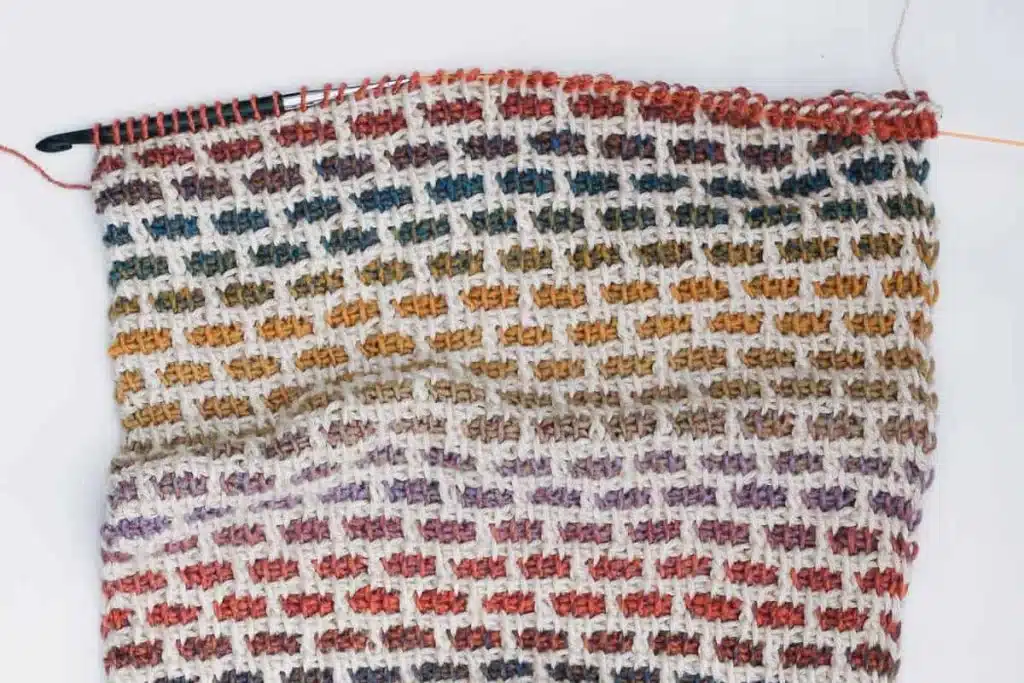
Creates raised, rounded bobbles for a playful texture.
23. Tunisian Lace Stitch
Uses chains and skips to create an elegant, open lace fabric.
24. Tunisian Cable Stitch
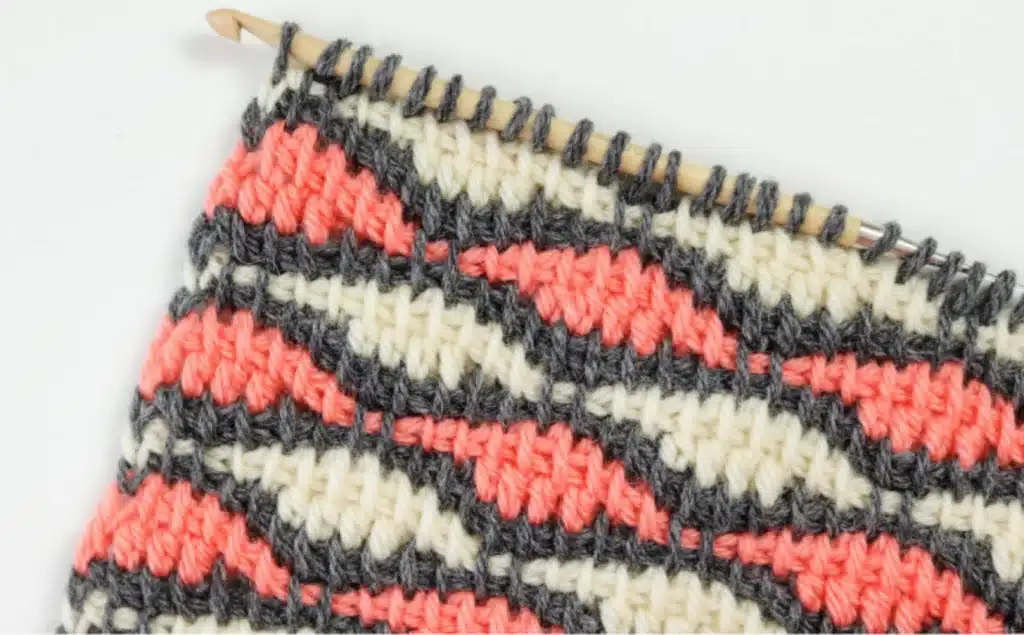
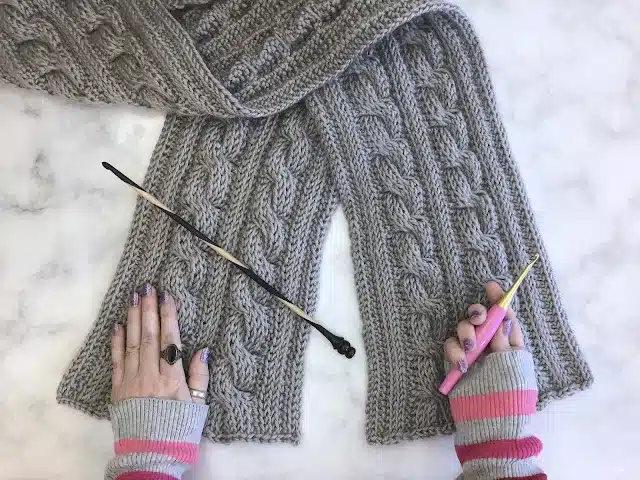
Mimics knitted cables by crossing loops over one another.
25. Tunisian Feather and Fan Stitch
Creates a decorative fan-like pattern with feathered details.
Assembly
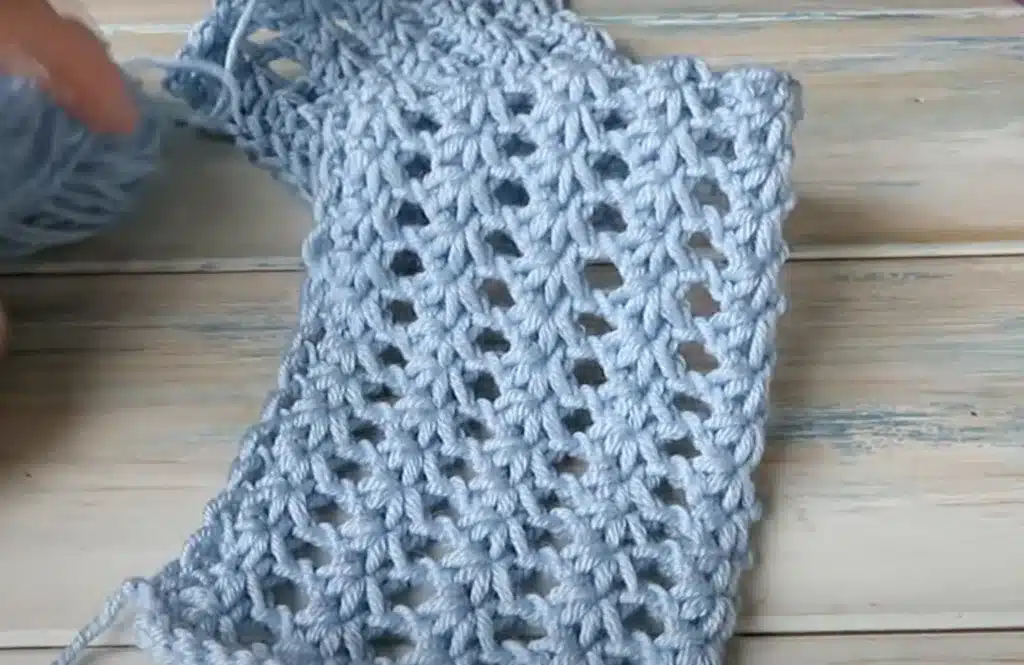
Most Tunisian crochet projects are worked in rows or rounds and do not require complex assembly. Simply weave in your ends using a tapestry needle. If creating a garment, sew pieces together using a mattress stitch or slip stitch seam for a flat, professional finish.
Tips
- Watch Your Tension: It is easy to pull loops too tight on the forward pass. Keep your tension relaxed.
- Count Your Loops: Always ensure you have the correct number of loops on your hook before starting the return pass.
- Use the Right Hook: A Tunisian hook with a cord is much more comfortable for large projects like blankets than a short hook.
FAQs
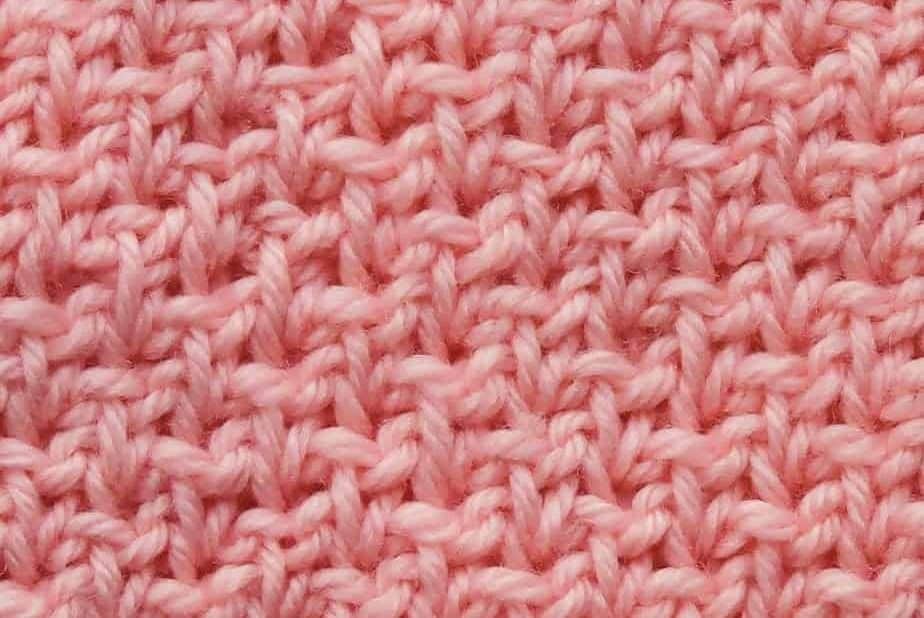
Can I use a Regular Crochet Hook (Traditional Hook) for Tunisian Crochet?
Yes, you can use a regular crochet hook to start Tunisian crochet. However, as you pick up more loops, the hook can become crowded and difficult to manage. A Tunisian hook with an extended shaft or a cord is highly recommended for comfort and ease.
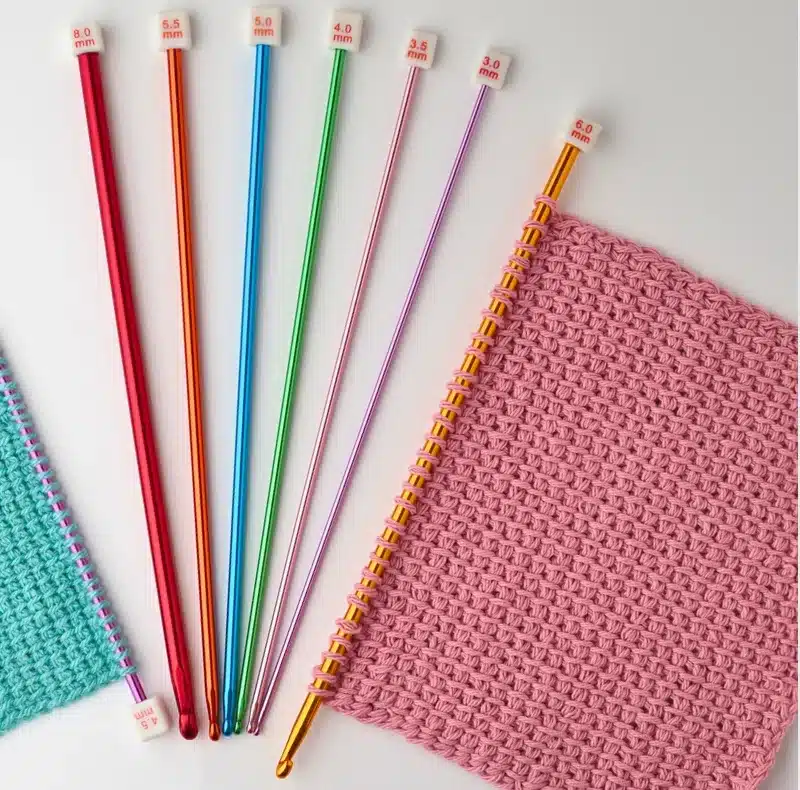
Guide to Tunisian Crochet Hooks – how to choose the right one
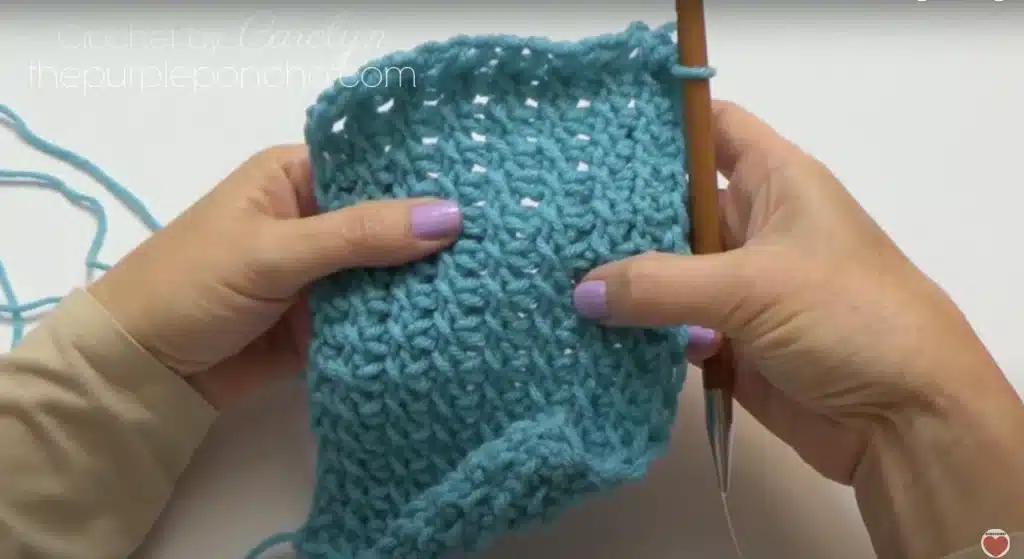
Choose a hook size based on your yarn weight. For beginners, a hook with a cord (5-10 feet) is best for blankets and large items. For small projects like hats or scarves, a short Tunisian hook or a regular hook works fine.
Are Tunisian Crochet Stitches hard to learn?
Tunisian stitches are very straightforward and easy to learn. In my opinion, Tunisian basic stitches are even easier to learn than basic crochet stitches – there are no turning chains, and it’s harder to skip the stitch by accident.
Why Try Tunisian Crochet Stitches?
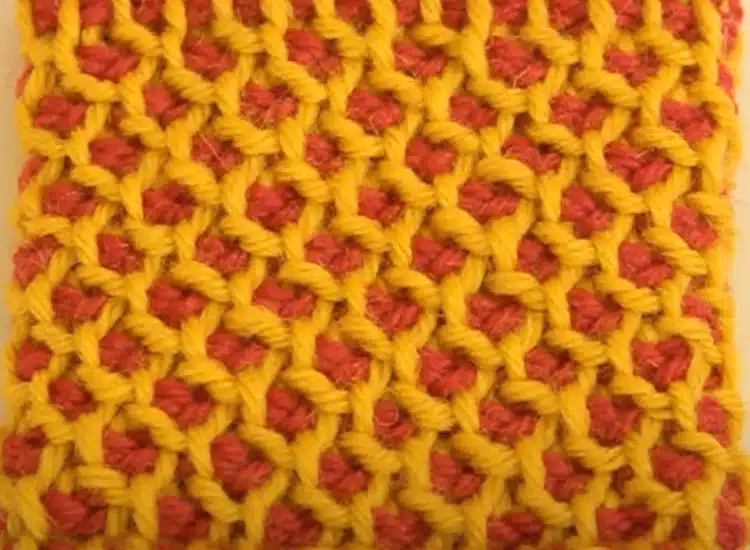
Tunisian crochet creates a dense, warm, and durable fabric that looks woven. It is perfect for winter wearables, sturdy bags, and home decor items that need to hold their shape.
Comparing Tunisian Crochet Stitches vs Basic Crochet Stitches
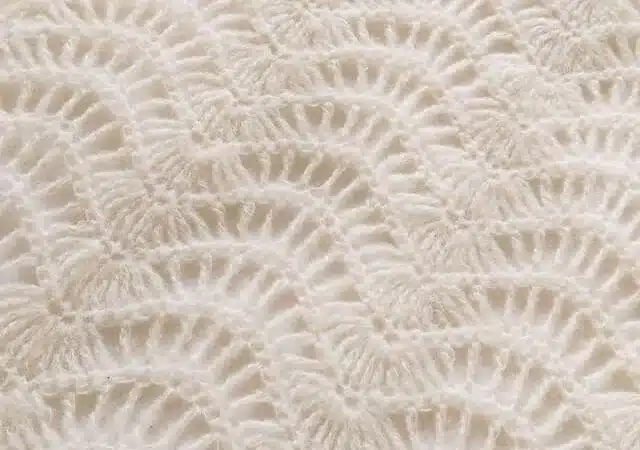
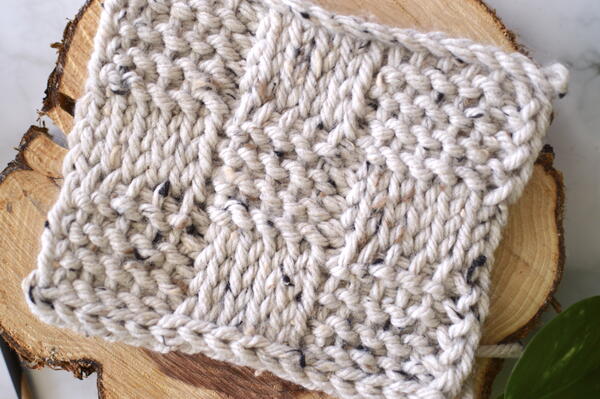
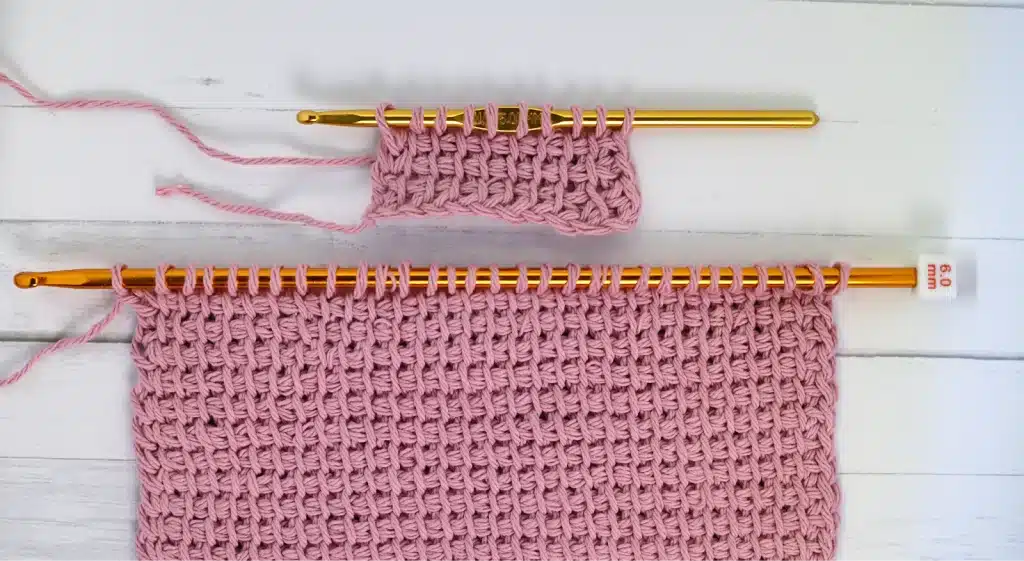
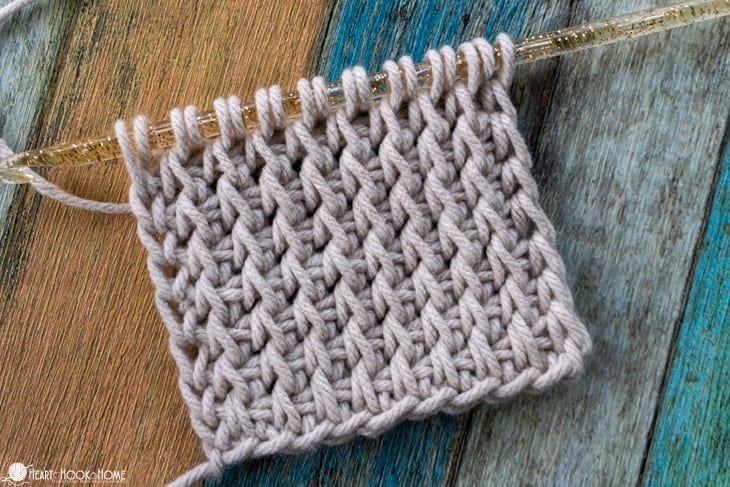
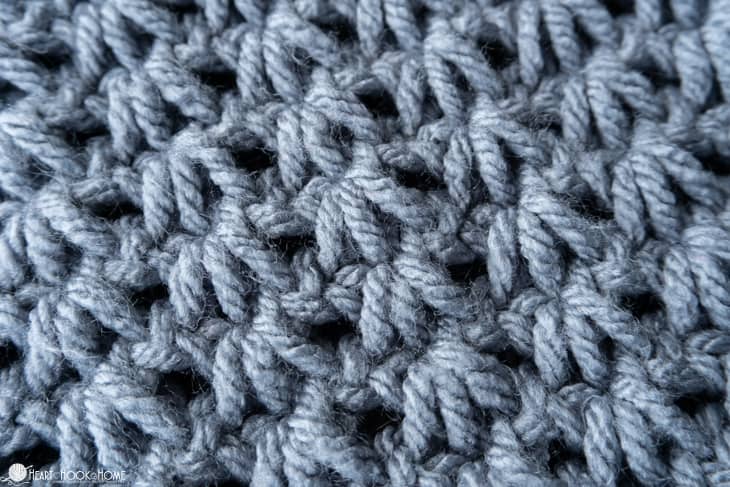
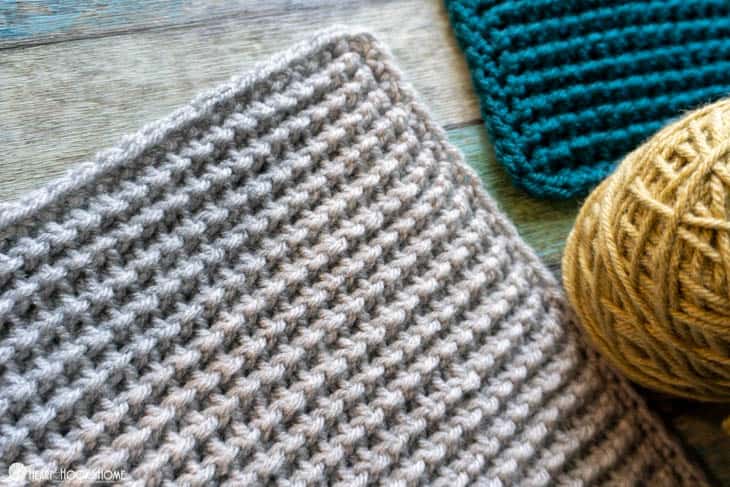
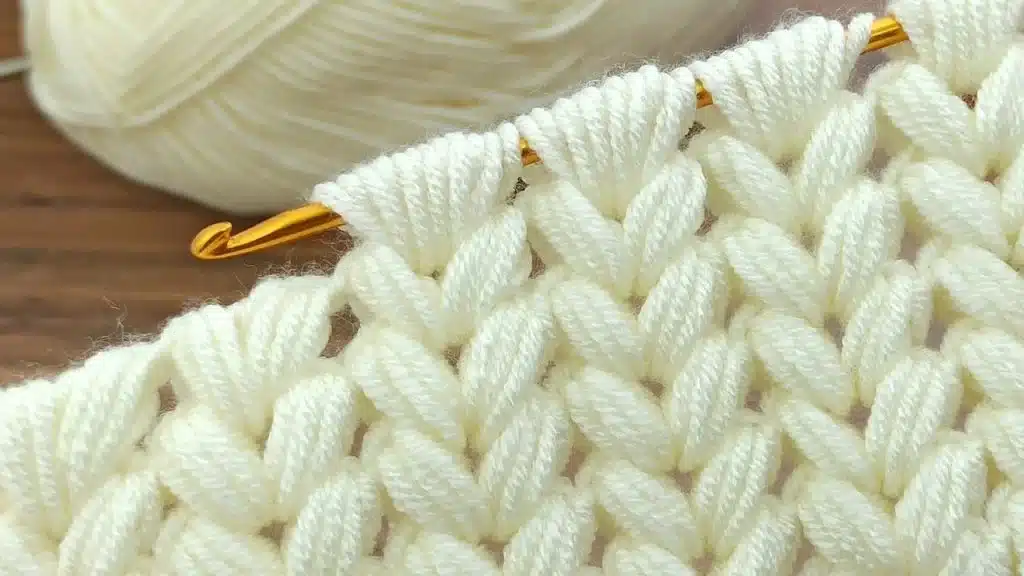
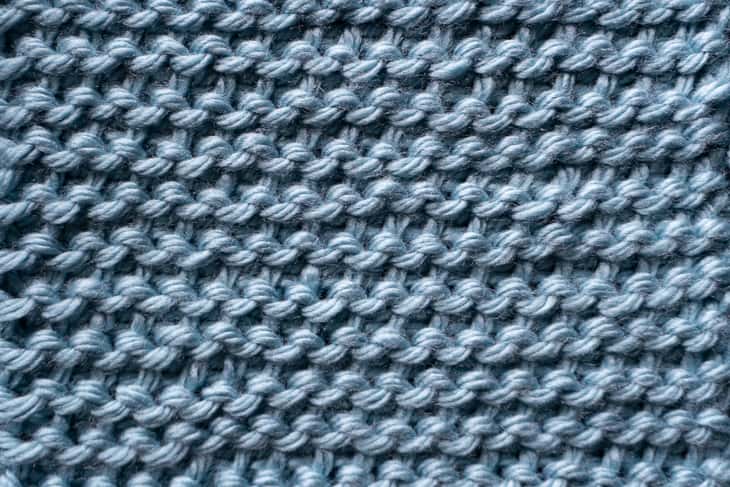
Basic crochet is worked row by row with turning chains, creating a more flexible fabric. Tunisian crochet is worked in two passes (forward and return) without turning, creating a thicker, less stretchy fabric that resembles knitting.
Pin This Crochet Pattern!