Starting a crochet journey can feel overwhelming when faced with a sea of supplies, but having the right tools makes all the difference. Whether you are dreaming of crafting adorable amigurumi friends or cozying up with a winter blanket, understanding your equipment is the first step toward confidence. This guide breaks down the essential and helpful tools you need to create beautiful textile projects with ease and precision.
Seasonal Styling Ideas
As the seasons change, so do our crafting desires. In the crisp autumn air, consider using warm, earthy-toned worsted weight yarns to create textured scarves or market-ready totes. When winter sets in, switch to bulky yarns and ergonomic hooks to whip up chunky blankets that provide instant warmth. For spring and summer, lightweight cottons and bamboo fibers paired with smaller hooks allow for breathable garments and delicate amigurumi that can be gifted at baby showers or Easter gatherings. By aligning your tool and yarn choices with the season, your handmade items become even more relevant and cherished.
Project Overview
Crocheting tools are the instruments used to create a variety of textile projects. These include necessary supplies like crochet hooks and yarn, as well as a set of accessories designed to make the process smoother. Understanding and selecting the right tools can significantly enhance the efficiency and enjoyment of your handmade creations, regardless of whether you are making delicate lace, cozy afghans, or cute amigurumi.
Materials
The materials you choose depend on your skill level, the technique you plan to use, and personal preferences. Below are the primary categories of tools and materials essential for crocheting.
Crochet Hooks
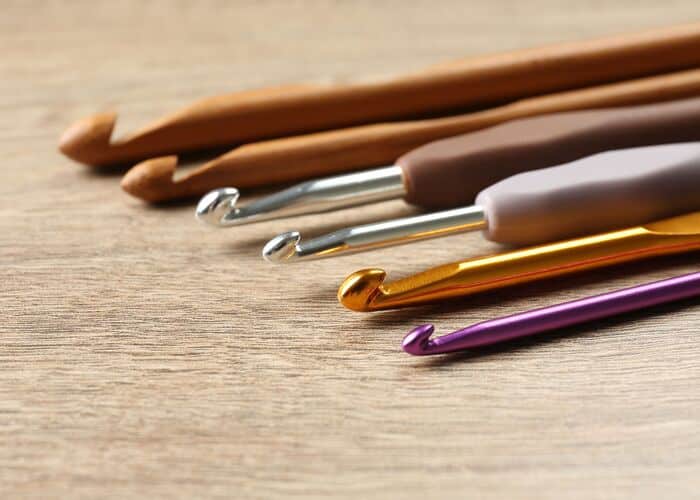
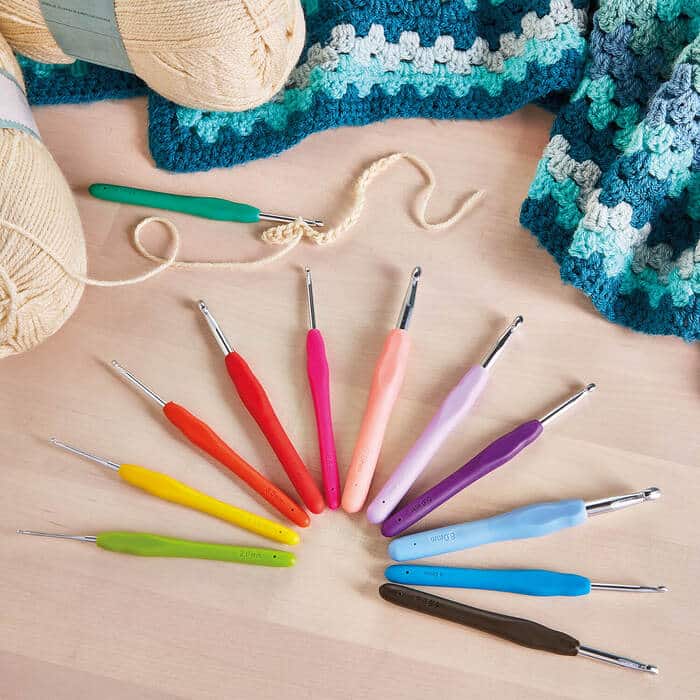
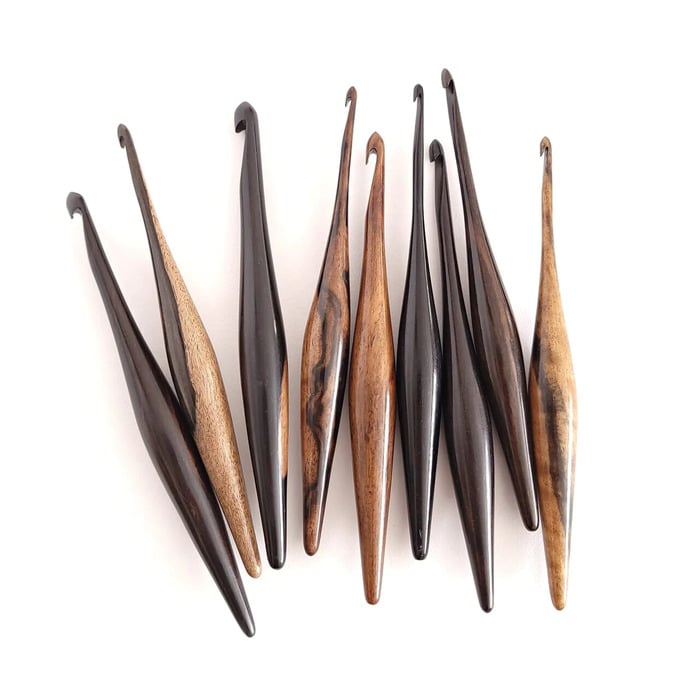
A crochet hook is an absolute essential for creating loops in yarn and interlocking them into stitches. You can choose from various sizes, shapes, and materials.
- Inline Hooks: Feature a uniform shaft and deep throat, offering stable grip and control for tight, even stitches.
- Tapered Hooks: Characterized by a gradually narrowing shape from handle to tip, facilitating a smooth glide and quicker yarn grabbing.
- Ergonomic Hooks: Feature comfortable grips tailored to the hand, often made of soft rubber or silicone to minimize fatigue.
- Tunisian Hooks: Longer hooks used for Tunisian crochet to hold multiple stitches simultaneously, creating dense, knit-like textures.
Materials:
- Metal: Known for durability and smoothness, ensuring a quick glide. However, they can feel cold to the touch.
- Wood: Offers a warm, natural feel and lightweight design that reduces hand fatigue. They are gentle on delicate fibers, preventing snagging.
- Plastic: Celebrated for being lightweight and affordable. Their smooth surface works particularly well with bulky yarns.
Yarn
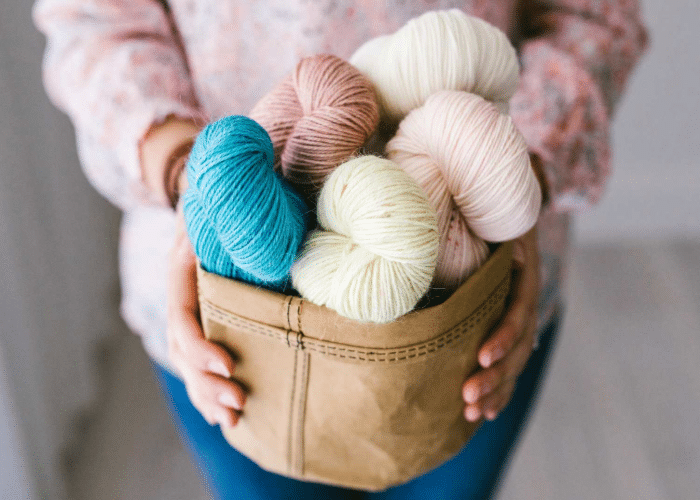
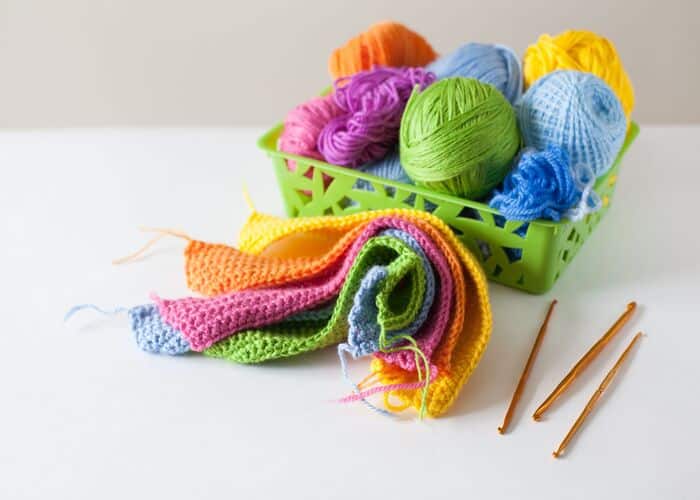
Yarn is the heart of any project. Selecting the right weight, fiber, and color is crucial for achieving the desired texture and drape.
- Weight: Ranges from Lace (delicate doilies) to Jumbo (arm crocheting). Medium/Worsted is the most common for a wide range of projects.
- Fiber Content: Natural fibers like wool, cotton, and bamboo offer breathability and softness. Synthetic fibers like acrylic and nylon provide durability and ease of care.
- Texture & Color: Choose solids for minimalist designs, variegated yarns for visual interest, or ombre/self-striping yarns for gradual color transitions.
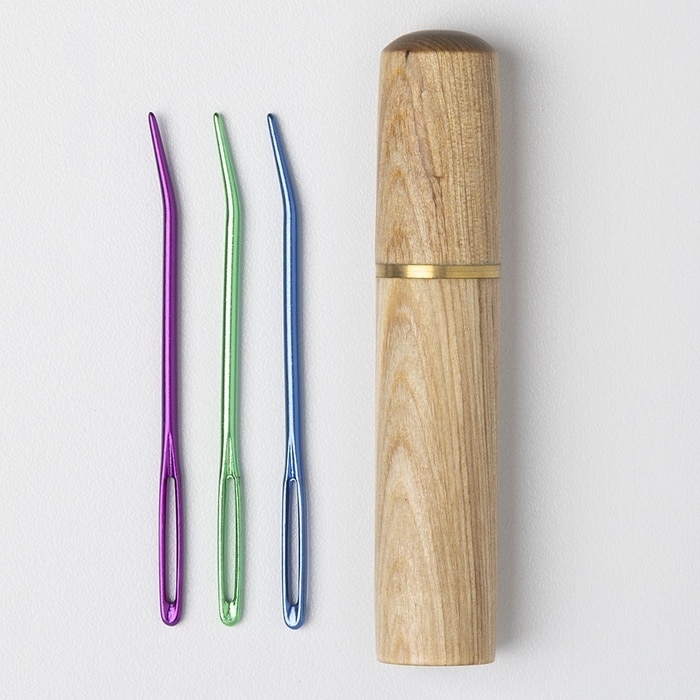
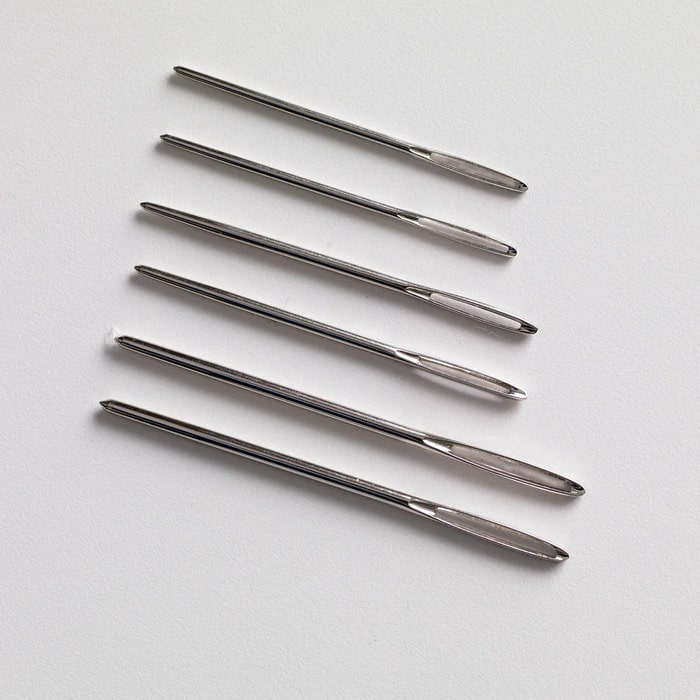
Yarn Needles
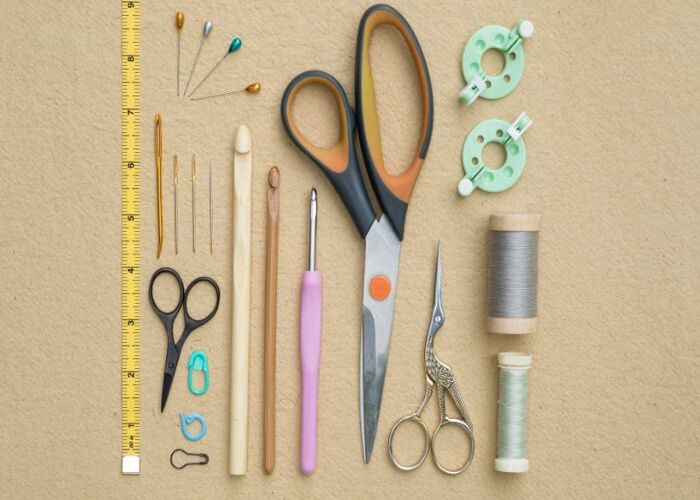
Yarn needles are used to weave in ends and sew pieces together. They come in plastic, metal, or wood.
- Plastic: Lightweight and flexible, ideal for beginners.
- Metal: Offers durability and precision for intricate work.
- Wood: Provides a warm, natural feel.
Shapes: Blunt needles prevent yarn splitting, pointy needles offer precision, and bent needles work well with tight stitches in amigurumi.
Scissors
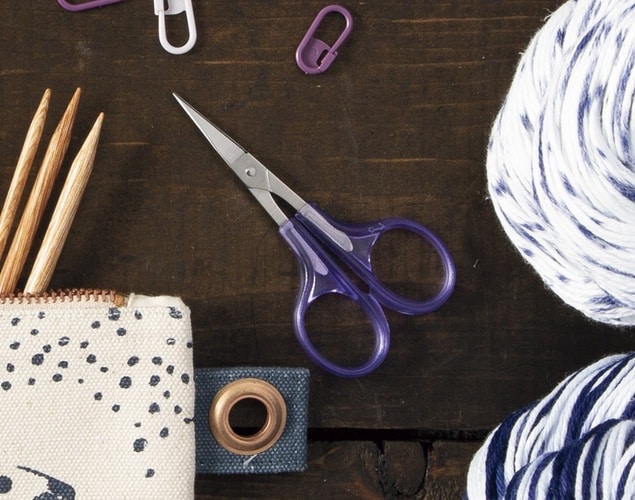
Sharp, durable scissors are essential for cutting yarn cleanly and precisely, preventing fraying. Fine-pointed scissors are useful for detail work.
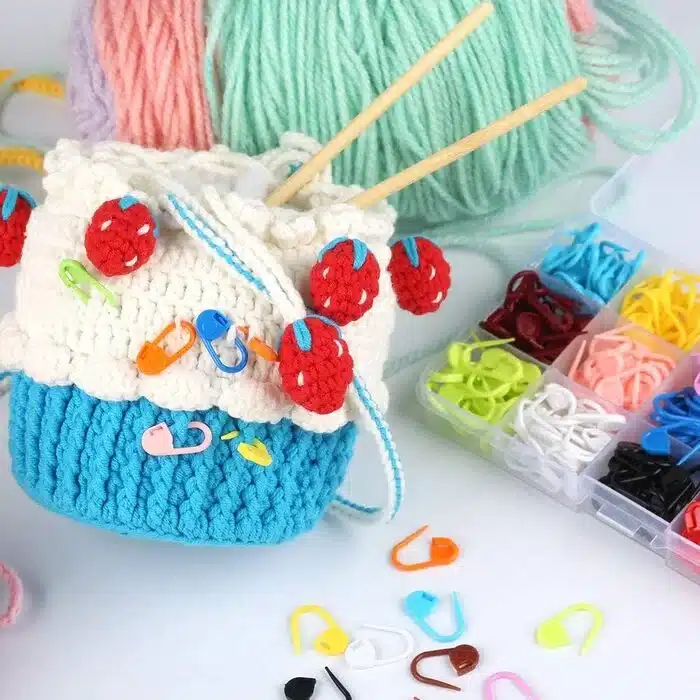
Stitch Markers
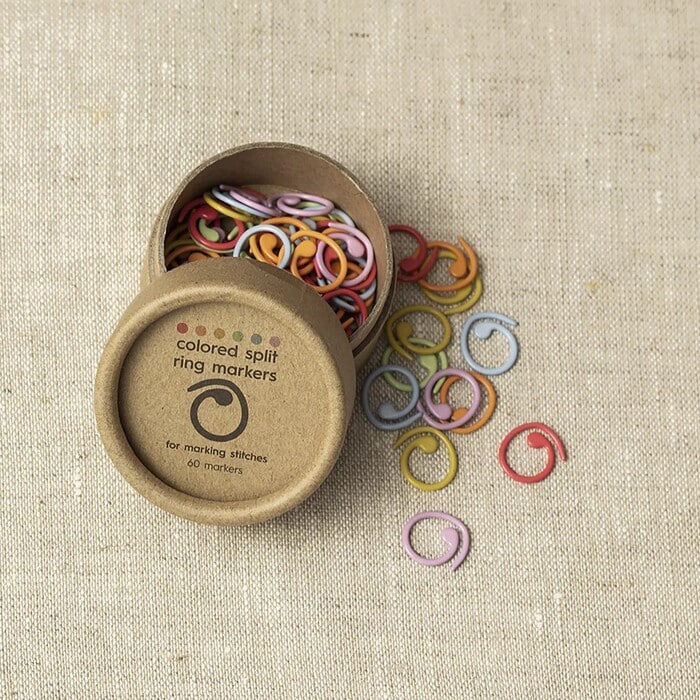
Stitch markers help manage project execution. For crochet, open markers (split rings, locking, or removable) are best as they can be added or removed from the fabric. Closed ring markers are generally better suited for knitting.
Measuring Tools
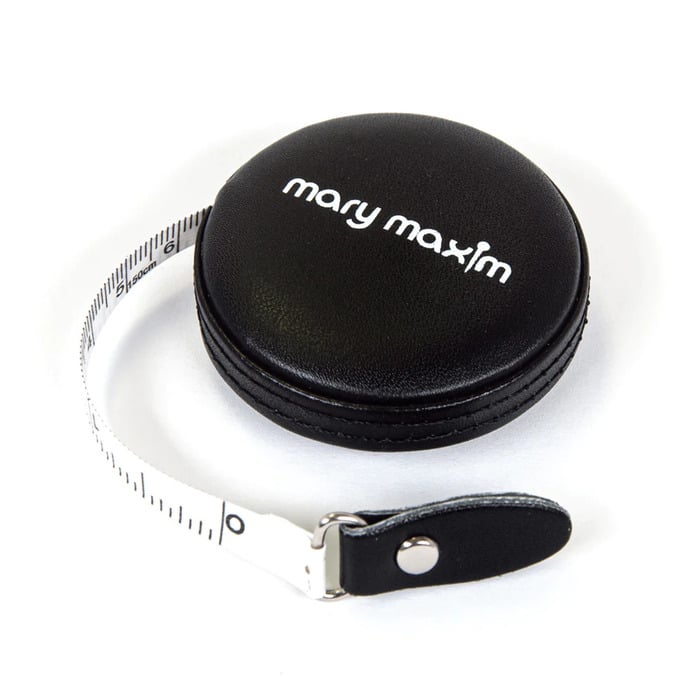
Rulers: Rigid rulers (6-12 inches) are great for measuring gauge and shorter lengths. Measuring Tapes: Flexible tapes are ideal for body measurements and larger dimensions like blankets.
Blocking Tools
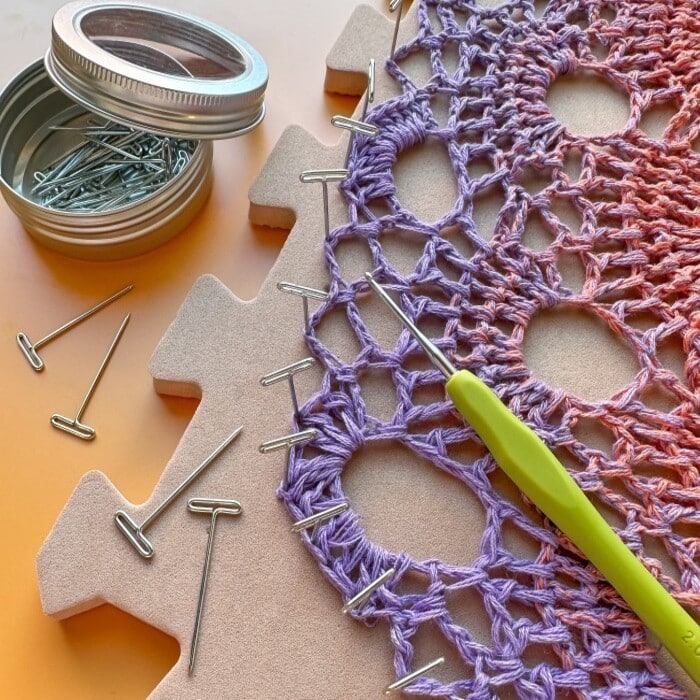
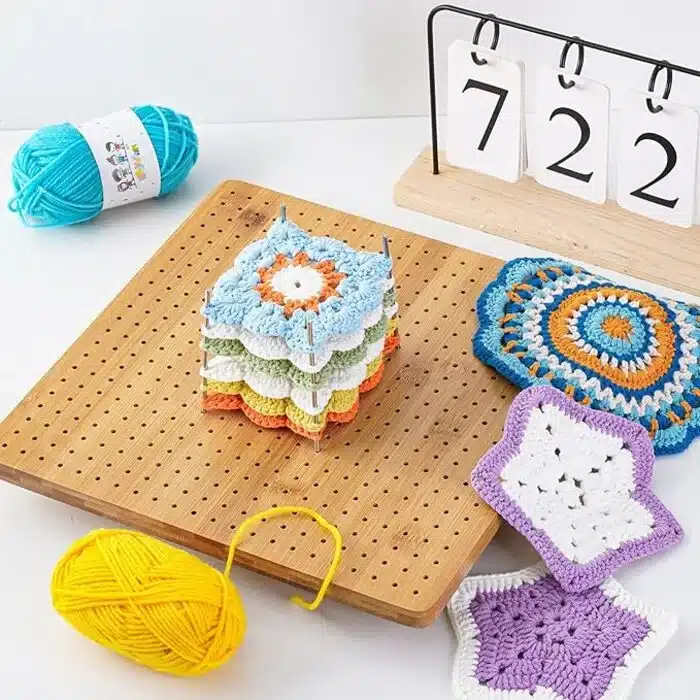
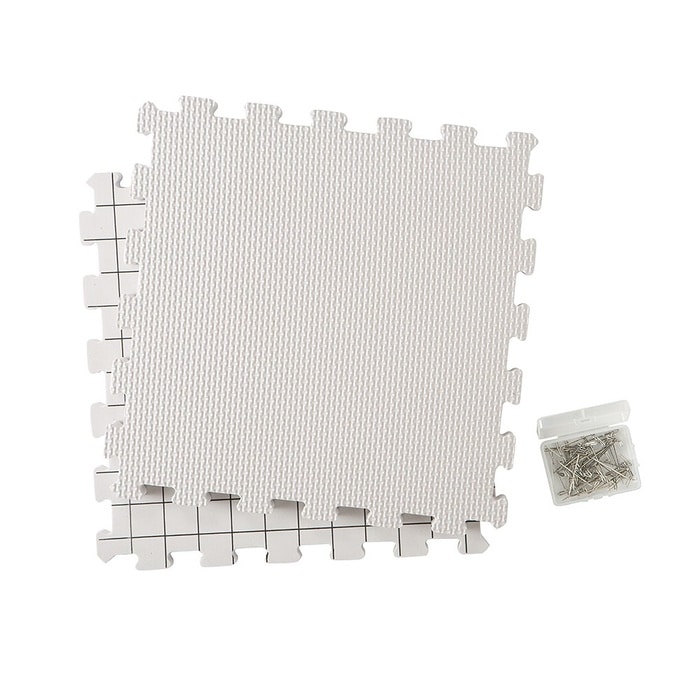
Blocking Mats: Foam mats provide a resilient, pin-able surface for shaping granny squares or afghans. Blocking Boards: Offer a solid foundation for stringent blocking needs. T-Pins: Preferred for their secure grip on mats. Blocking Combs: Useful for straight or curved edges on shawls and blankets.
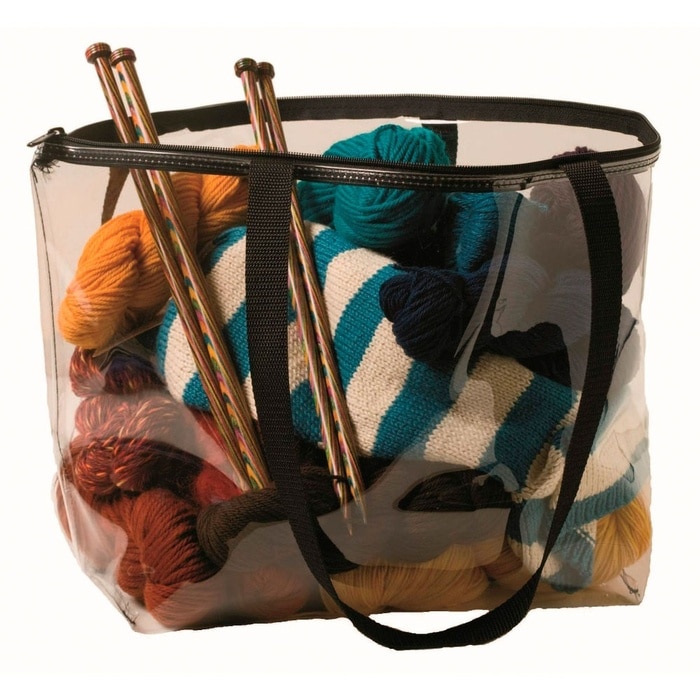
Organization & Storage
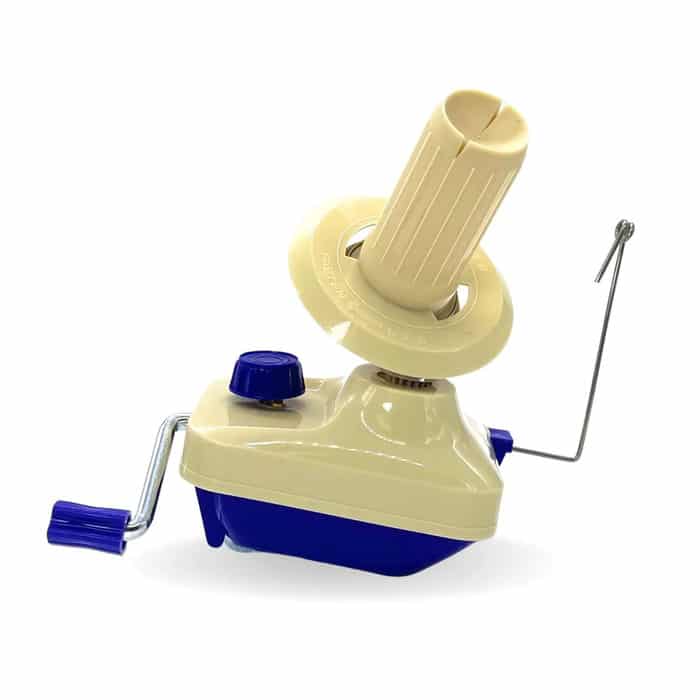
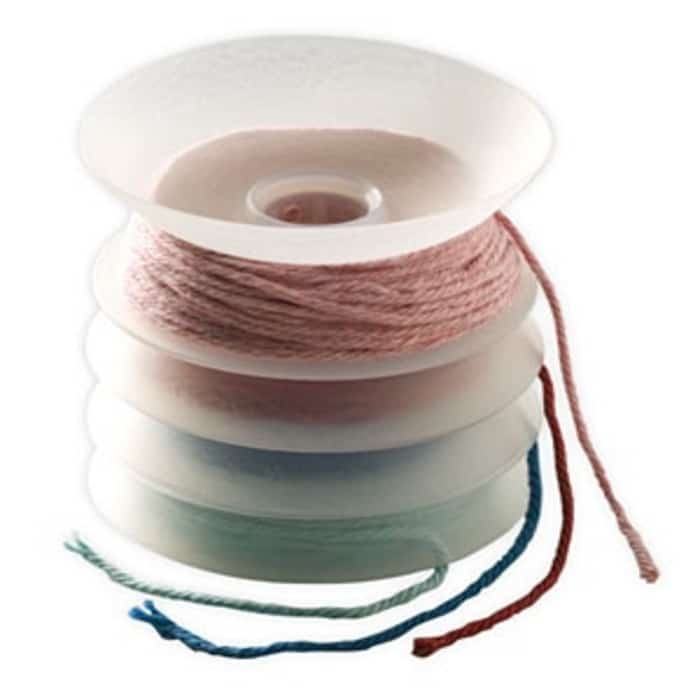
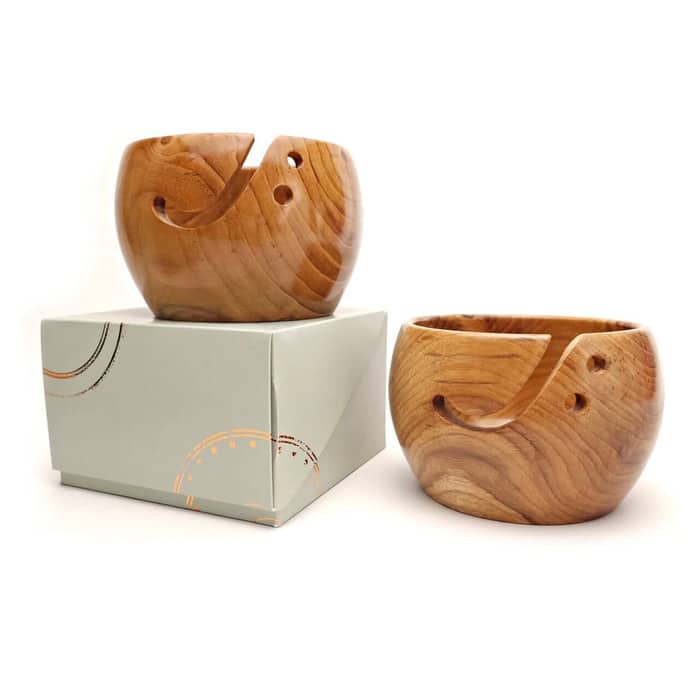
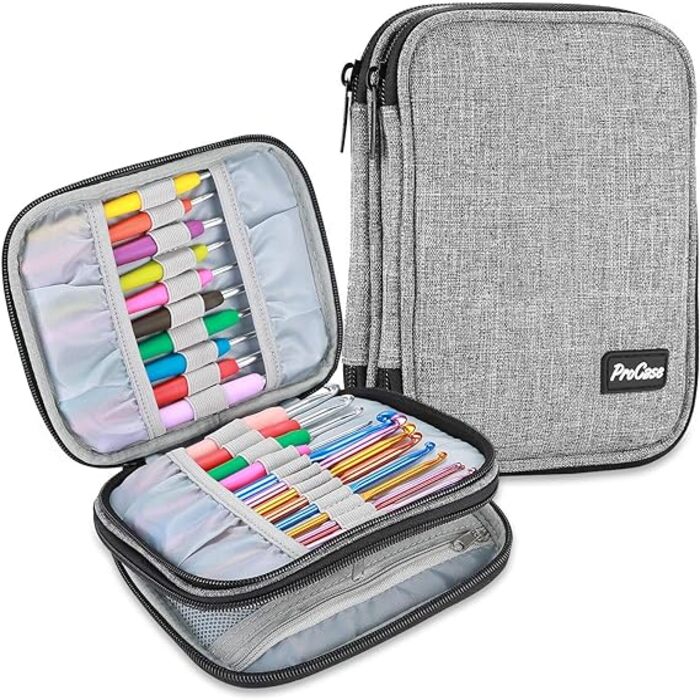
Yarn Bowls: Keep yarn in place and prevent tangling; available in ceramic, silicone, or wood. Yarn Bobbins: Manage multiple colors for intarsia or tapestry crochet. Yarn Winders/Swifts: Transform skeins into neat, center-pull cakes. Project Bags: Portable storage for essentials. Hook Cases: Protect and organize hooks.
Other Helpful Tools
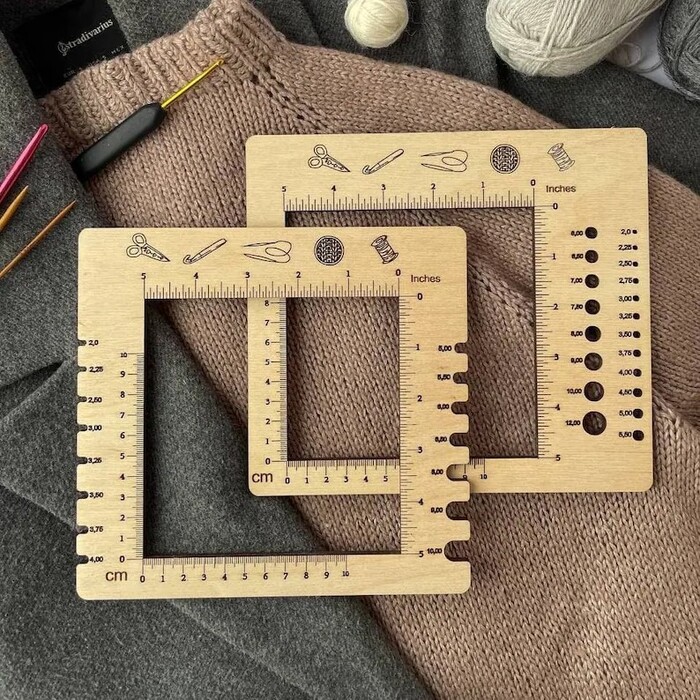
- Gauge Swatch Ruler: Measures stitch and row counts (usually 4×4 inches) to ensure accurate sizing.
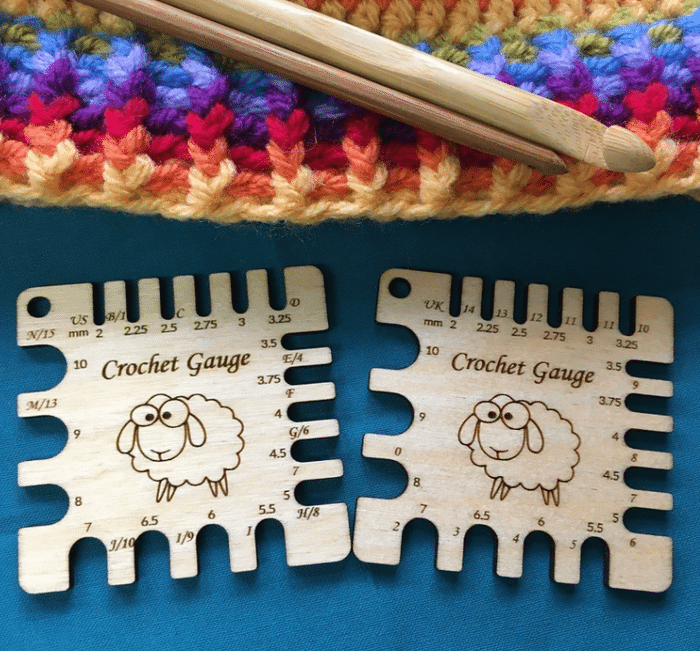
- Hook Gauge: Verifies hook size if markings are worn or missing.
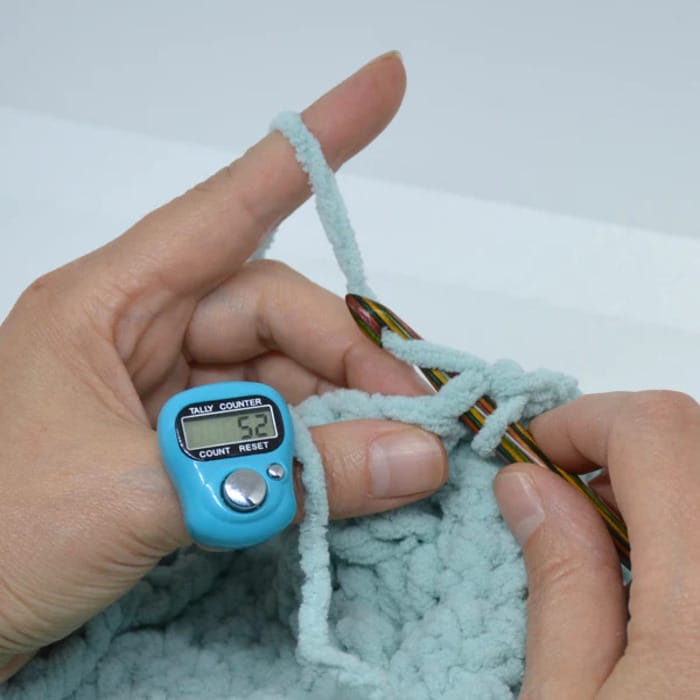
- Row/Stitch Counter: Tracks progress in complex patterns.
- Pom Pom Maker: Creates uniform pom poms for embellishments.
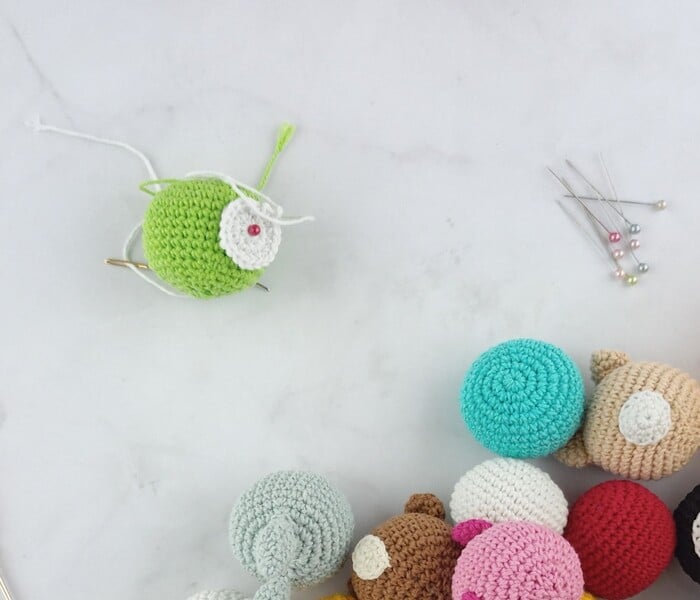
- Sewing Pins: Essential for aligning amigurumi pieces before sewing.
Gauge and Finished Size
Accurate sizing is achieved by using a gauge swatch ruler to measure stitch and row counts within a specific area, usually 4×4 inches. This helps compare your work against pattern requirements and avoids mismatched sizes. For amigurumi and tight projects, ensuring your hook size matches the yarn weight is vital for maintaining stitch definition.
Abbreviations
While this guide focuses on tools, understanding standard crochet abbreviations is key to following patterns. Always check the specific pattern’s abbreviation list, as they can vary slightly between designers.
Pattern Notes
The supplies you need depend on your skill level and personal preferences. Beginners should start with basic sets of hooks (4 mm, 5 mm, and 6 mm) and easy-to-crochet yarns. Avoid overly fluffy, silky, or bumpy yarns at the start to prevent discouragement. As skills grow, you can expand your collection to include smaller and larger hook sizes and specialized tools.
Pattern Instructions
Crochet patterns are instructional guides that help create projects. They offer step-by-step guidance, often with photo or video tutorials. Beginners should choose patterns based on basic stitches and simple designs. You can find patterns by filtering for skill level, project type, yarn weight, and hook size.
Assembly
For amigurumi and multi-part projects, sewing or quilting pins are essential for precise positioning and alignment before sewing. Pins with large heads are easy to handle and visible against yarn. Blocking mats and T-pins are used to give handmade creations their final shape and size, ensuring straight edges and proper dimensions.
Tips
- Hook Selection: A hook size between 5 mm (H/8) and 6 mm (J/10) is ideal for beginners, offering control and visibility.
- Yarn Choice: Start with easy-to-crochet yarns. Check pattern recommendations for ideal weight and type.
- Experimentation: Try different needle types and stitch markers to find what suits your hand and style.
- Amigurumi Prep: Equip yourself with a set of large-headed pins for assembling stuffed toys.
FAQs
What is the best crochet hook size for a beginner?
A crochet hook size between 5 mm (H/8) and 6 mm (J/10) is recommended for beginners. These sizes handle a wide range of yarns comfortably and allow for easier control and visibility of stitches.
Do I need expensive tools to start crocheting?
No. While high-quality tools can enhance comfort, you can start with basic plastic hooks, affordable yarn, and standard scissors. Ergonomic hooks and wooden needles are nice upgrades but not strictly necessary for your first project.
What is the difference between inline and tapered crochet hooks?
Inline hooks have a uniform shaft and deep throat, offering stability for tight stitches. Tapered hooks narrow from handle to tip, allowing for a smoother glide and quicker yarn grabbing.
How do I choose the right yarn for amigurumi?
For amigurumi, choose a yarn with good stitch definition, such as cotton or acrylic blends. Avoid overly fuzzy or slippery yarns, as they can hide your stitches and make stuffing difficult.
Why do I need a gauge swatch ruler?
A gauge swatch ruler helps you measure your stitch and row counts accurately (typically in a 4×4 inch area). This ensures your project matches the pattern’s dimensions, preventing items from being too small or too large.
What are the absolute essentials for crocheting?
The three indispensable tools are a crochet hook, yarn, and scissors. A yarn needle is also highly recommended for weaving in ends to ensure a neat finish.
Pin This Crochet Pattern!