Yarn rests in a neat pile on the table, the hook is already in your hand, and the first few stitches are beginning to take shape. There is a quiet satisfaction in this moment—the simple act of pulling loop through loop to create something tangible. For beginners, the single crochet is the perfect foundation. It is sturdy, consistent, and forgiving, making it the ideal stitch for learning the rhythm of crochet. This collection of patterns focuses on that fundamental stitch, offering a variety of textures and designs that are accessible to new crafters while still looking polished and professional.
Why This Project Works
Single crochet is often underestimated because of its density, but that density is exactly what makes it so appealing for blankets and home goods. Unlike looser stitches, single crochet creates a fabric that is warm, durable, and holds its shape beautifully. For beginners, mastering this stitch builds confidence because the rhythm is straightforward and easy to count. The patterns included here leverage this versatility, showing how simple variations in stitch placement or yarn choice can transform a basic square into a textured throw, a cozy baby blanket, or a stylish pillow cover. It is a project that rewards patience with a high-quality finish that lasts for years.
Project Overview
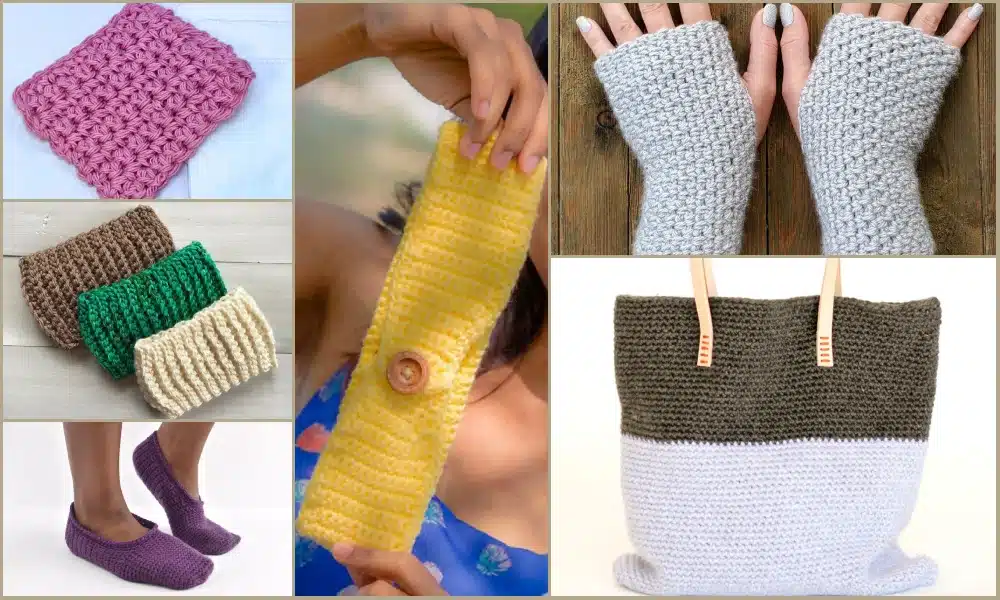
This collection features 15 free single crochet patterns designed specifically for beginners. The focus is on simplicity and clarity, ensuring that new crocheters can follow along without feeling overwhelmed. Each pattern utilizes the single crochet stitch as the primary technique, allowing you to build muscle memory while creating beautiful, functional items. Whether you are looking for a quick gift or a long-term cozy companion, these projects provide a gentle introduction to the craft.
Materials
Since these patterns vary in specific requirements, the primary material you will need is yarn suitable for single crochet work. Most beginner-friendly single crochet projects benefit from medium-weight (worsted weight) yarn, as it is easy to see your stitches and works up quickly. You will also need a crochet hook that matches the yarn weight recommendation. Always check the specific pattern instructions for the exact yardage and hook size required for your chosen project.
Gauge and Finished Size
Gauge is essential for ensuring your finished item fits as intended. Because single crochet is a dense stitch, it is important to check your gauge before starting. If your stitches are too tight, your blanket may end up smaller than expected and harder to work with. If they are too loose, the fabric may lack the warmth and structure typical of single crochet. Refer to the individual pattern instructions for specific gauge requirements and finished dimensions.
Abbreviations
While single crochet is straightforward, familiarizing yourself with standard crochet abbreviations will help you follow patterns more easily. Common abbreviations you will encounter include:
- sc: single crochet
- ch: chain
- st(s): stitch(es)
- rep: repeat
- sl st: slip stitch
- bj: back loop only (if used for texture)
Always refer to the specific pattern’s abbreviation key, as some designs may use unique shorthand.
Pattern Notes
When working with single crochet, tension is key. Try to keep your tension even to ensure a uniform fabric. It is also helpful to count your stitches at the end of each row or round to prevent accidental increases or decreases. If you are new to reading patterns, take your time and work slowly. The beauty of single crochet is that it is easy to fix mistakes if you catch them early. For more inspiration on easy projects that build similar skills, you might enjoy exploring easy crochet blanket ideas or easy fathers day crochet gifts for practical, handmade presents.
Pattern Instructions
The following patterns are designed to be followed sequentially. Each pattern begins with a foundation chain or ring and progresses through rows or rounds of single crochet. While the specific stitch counts and dimensions vary by project, the general structure is as follows:
General Structure
- Foundation: Create a chain of the specified length or form a magic ring.
- Row 1: Work single crochet stitches into the foundation chain or ring. Turn your work if working in rows.
- Subsequent Rows: Chain 1 (usually), turn, and work single crochet stitches across. For circular projects, join with a slip stitch and chain up to begin the next round.
- Finishing: Fasten off and weave in ends. Some patterns may include border instructions for a polished look.
For detailed stitch counts and specific instructions for each of the 15 patterns, please visit the source link: 15 Free Single Crochet Patterns for Beginners.
Assembly
Most single crochet blanket patterns are worked in one piece, requiring no assembly. However, if you choose a pattern that involves making multiple squares or motifs, you will need to join them together. The most common method for joining single crochet squares is the slip stitch seam, which creates a flat and sturdy join. Alternatively, you can use the mattress stitch for a more invisible seam. Ensure all loose ends are woven in securely before joining pieces.
Tips
- Use a Stitch Marker: Place a marker in the first stitch of each row or round to help you keep track of your starting point.
- Check Your Tension: If your fabric feels stiff, try using a slightly larger hook. If it feels floppy, try a smaller hook.
- Count Your Stitches: Regularly count your stitches to ensure you are maintaining the correct width.
- Block Your Work: Washing and blocking your finished blanket can help even out your stitches and give it a professional finish.
FAQs
What is the best yarn for single crochet blankets?
Medium-weight (worsted weight) acrylic or wool blends are excellent choices for beginners. They are durable, easy to care for, and allow you to see your stitches clearly.
How do I fix a dropped stitch in single crochet?
If you drop a stitch, you can often pick it up using your crochet hook by inserting it into the dropped loop and pulling up a new loop from the row below. Practice this technique on a scrap piece first.
Can I use a different hook size?
Yes, but changing the hook size will affect your gauge and the drape of the fabric. A larger hook will create a looser, more flexible fabric, while a smaller hook will create a denser, stiffer fabric.
How do I know when to turn my work?
In flat single crochet patterns, you typically turn your work at the end of each row. In circular patterns, you join with a slip stitch and chain up to begin the next round without turning.
Are these patterns suitable for absolute beginners?
Yes, these patterns are designed to be beginner-friendly, focusing on the basic single crochet stitch. However, it is always helpful to practice the single crochet stitch on a scrap piece before starting your project.
Pin This Crochet Pattern!