There is something deeply satisfying about the tactile nature of crochet, where the rhythm of the hook and the pull of the yarn create a fabric that feels as good as it looks. While many patterns focus on the final garment, the tools and accessories we create often hold a special place in our crafting hearts. This guide shifts focus from the finished wearable to the essential tools that make our work possible, exploring the nuances of needle selection and material choices that can transform your knitting experience.
Texture and Stitch Notes
When we think about the “texture” of our crafting journey, it isn’t just about the stitches we pull; it is about the tools that facilitate them. The choice of needle material introduces a different kind of texture to your hands—whether it is the smooth, cool glide of metal or the warm, organic grip of bamboo. Understanding these materials is akin to understanding the drape of a yarn. Just as a stitch pattern relies on tension, your knitting relies on the friction and weight of your needles. This section explores the “stitch” of tool selection, helping you find the perfect match for your hands and your projects.
Project Overview
Choosing the right knitting needles is the foundational step in any knitting project. This guide serves as a comprehensive resource for understanding needle sizes, materials, and conversions, ensuring that your finished pieces match the intended design. Whether you are a beginner picking up your first pair or an experienced knitter looking to expand your toolkit, understanding the interplay between needle size, yarn weight, and material is crucial.
Materials and Needle Types
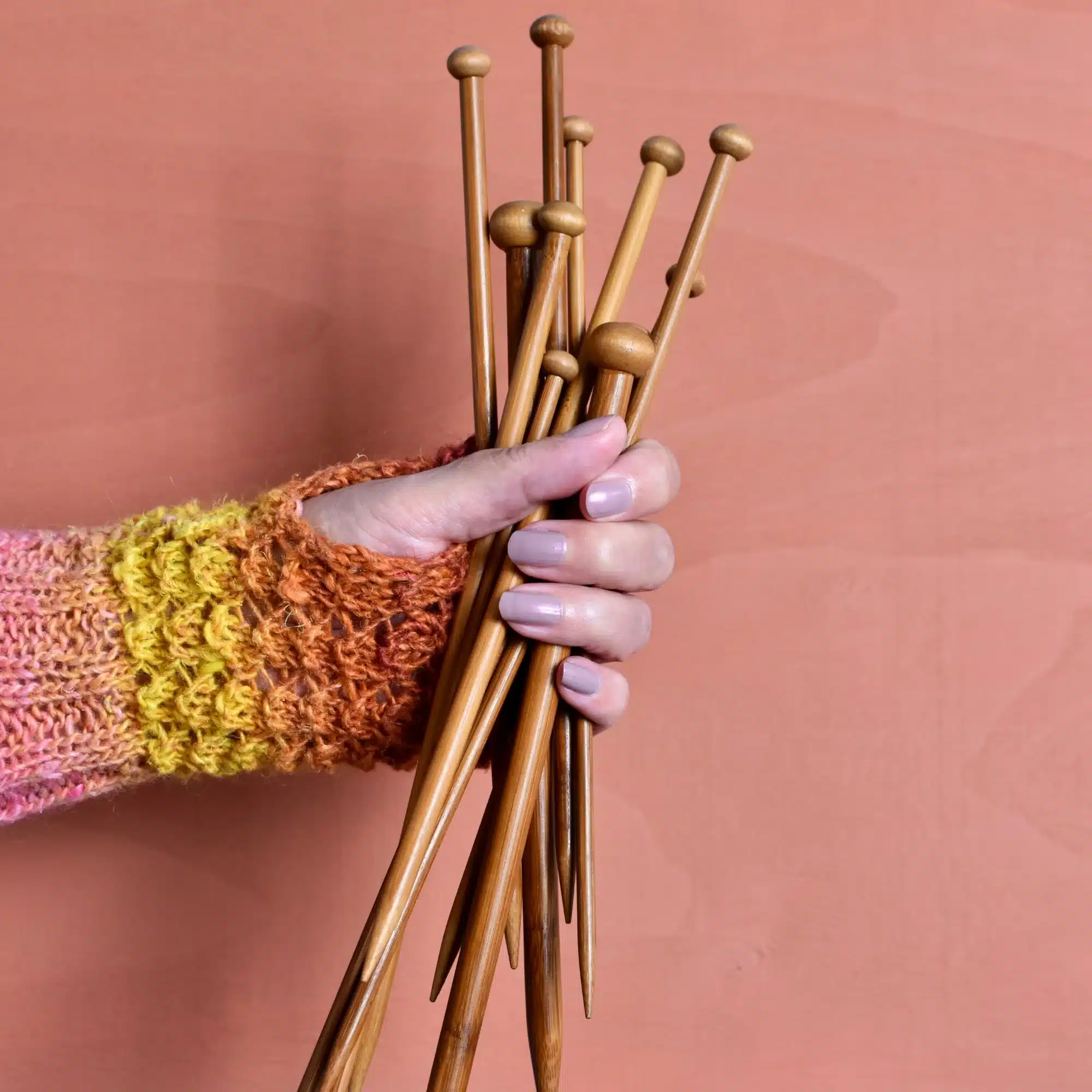
The material of your knitting needles affects not only the durability and speed of your knitting but also the comfort of your hands. Here is a breakdown of the common materials available:
Wooden Needles
- Pros: Lightweight, warm to the touch, and great for those with hand discomfort.
- Cons: Can break if mishandled, may be too thick for some projects.
Metal Needles
- Pros: Durable, smooth, and excellent for faster knitting.
- Cons: Cold to the touch, which may be uncomfortable for some knitters.
Plastic Needles
- Pros: Lightweight, affordable, and great for beginners.
- Cons: Not as durable as metal or wooden needles.
Bamboo Needles
- Pros: Lightweight, flexible, and provide good grip.
- Cons: Can break if not handled carefully.
Carbon Fiber Needles
- Pros: Lightweight, strong, and warm to the touch.
- Cons: More expensive than other materials.
Understanding Needle Sizes
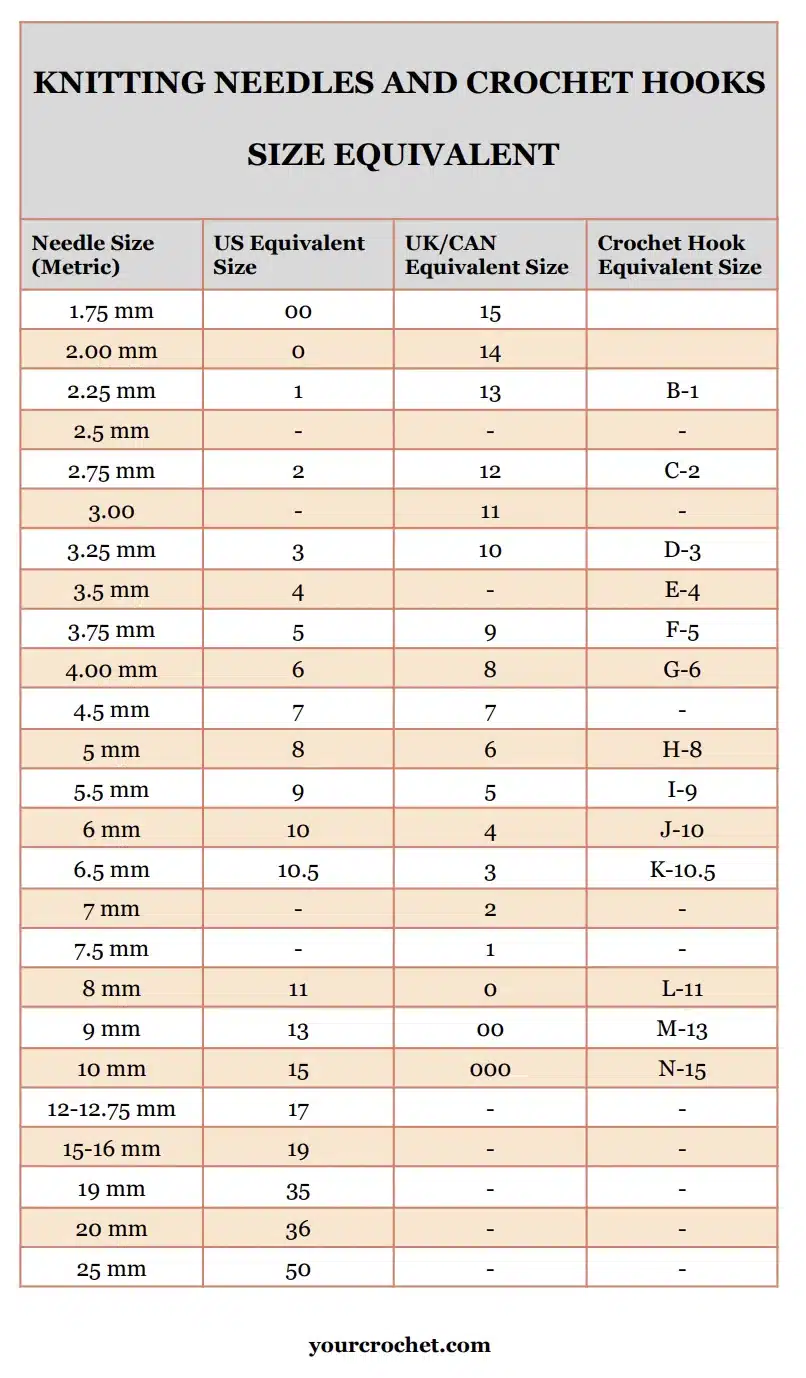
Knitting needles come in different sizes, designed to accommodate various yarn thicknesses and stitch patterns. The size of a needle is usually denoted in either US sizes, the metric system, or both. Familiarity with both systems is helpful as different countries use different sizing conventions.
Size Chart Breakdown
- US Needle Sizes: Range from 0 to 50, with smaller numbers indicating smaller needles. These are commonly used for standard yarn weights.
- Metric Needle Sizes: Measured in millimeters, ranging from 2 mm to 25 mm. These are useful for international patterns or yarns labeled with metric sizes.
Recommended Yarn Weight for Each Size
Match your needle size to the recommended yarn weight for optimal results. Lighter yarns (fingering, lace) pair well with smaller needles, while heavier yarns (bulky, super bulky) require larger needles.
Gauge and Tension
Always check the pattern’s recommended knitting gauge and tension to ensure your needle size aligns with the desired outcome. There is room to experiment, though. Adjust your needle size as needed to achieve the correct gauge. Using a larger needle size than suggested will give you looser, more open stitches, as well as making your finished piece larger. Using a smaller needle size will give you tighter, denser stitches, and your finished piece will end up being smaller. You will not get the needle gauge foreseen by the pattern you’re making. Although you can use different recommended needle sizes on purpose, it is not recommended for beginners.
Knitting Needles and Crochet Hooks
While this guide focuses on knitting, it is helpful to understand the size equivalents between knitting needles and crochet hooks. Refer to a comprehensive crochet pattern database for additional hook size references when cross-referencing tools.
Pattern Notes and Tips for Beginners
When you are just learning to knit, medium sizes of knitting needles are the best. US Size 8 (5.0 mm) is often considered a standard size and is commonly used for worsted weight yarn. For length of the needle, a 10-inch needle is usually a good size to start with. Longer needles can be harder to operate. If you are looking for inspiration for your first completed project, consider checking out easy crochet blanket ideas that utilize standard worsted weights.
FAQ
How do I know what size knitting needles to use?
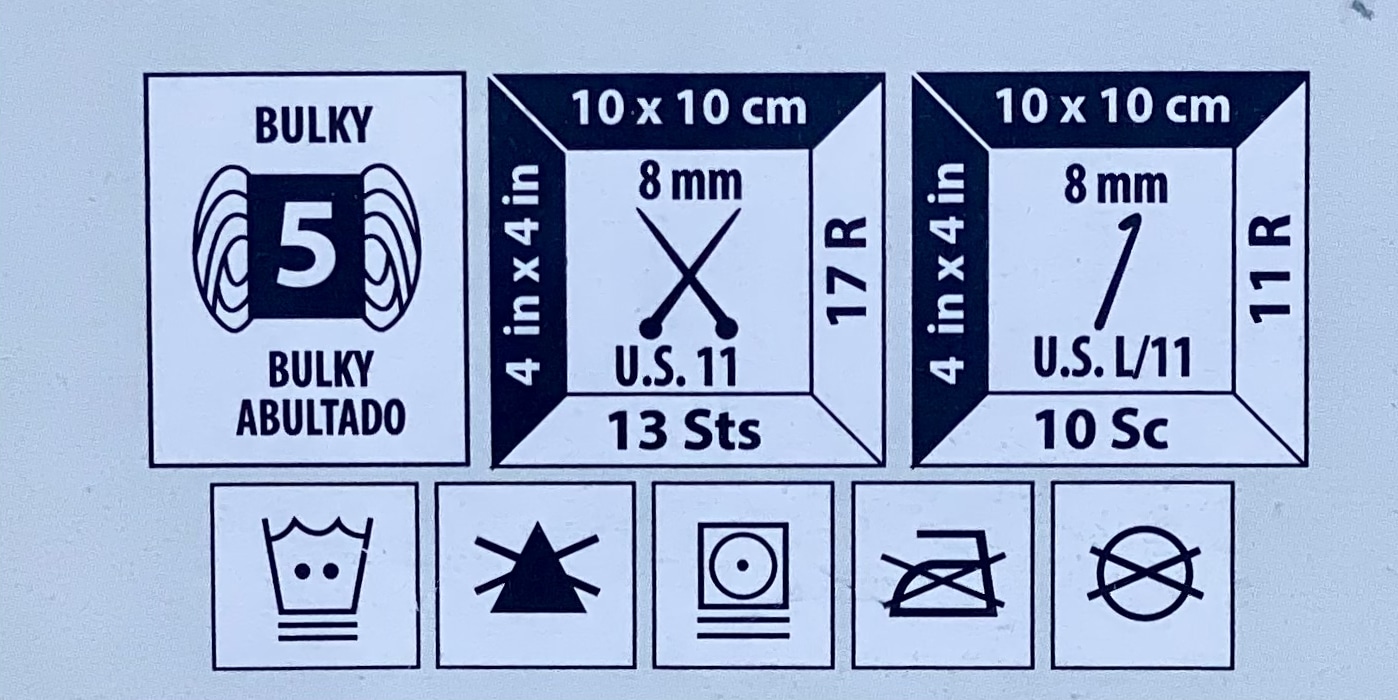
You will find the size of the knitting needles you need on the yarn label. Look for a graphic of knitting needles – next to it will be a recommended knitting needle size. You will also find the yarn and knitting needle size recommendation with the pattern you want to knit.
I am a beginner. What size of the knitting needle should I start with?
When you are just learning to knit, medium sizes of knitting needles are the best. US Size 8 (5.0 mm) is often considered a standard size and is commonly used for worsted weight yarn. For length of the needle, a 10-inch needle is usually a good size to start with.
What is the most commonly used knitting needle size?
The most common knitting needle sizes used by knitters can vary depending on the type of project, crafting yarn weight, and personal preferences. However, US Size 8 (5.0 mm) is often considered a standard size. Other common sizes include US Size 7 (4.5 mm) for tighter gauge, US Size 10 (6.0 mm) for bulkier yarns, and US Size 6 (4.0 mm) for lighter worsted or DK weights.
What happens if you use the wrong size knitting needles?
Using a larger needle size than suggested will give you looser, more open stitches, as well as making your finished piece larger. Using a smaller needle size will give you tighter, denser stitches, and your finished piece will end up being smaller. You will not get the needle gauge foreseen by the pattern you’re making.
How do needle materials affect my knitting?
Material affects friction and temperature. Metal needles are smooth and fast but cold. Wooden and bamboo needles are warmer and provide more grip, which can help control slippery yarns. Plastic is lightweight and affordable but less durable.
Pin This Crochet Pattern!