There is a specific kind of magic in watching a crochet project take shape, row by row, as the hook pulls loops through to create structure and form. Whether you are working on a wearable that drapes beautifully or a textured blanket that invites touch, the rhythm of the craft keeps us engaged. But that rhythm depends heavily on one foundational choice: the yarn. Selecting the right weight is not just about thickness; it dictates the drape, the warmth, and the very texture of the stitches you are creating. Getting this right ensures that your hard work results in a garment or accessory that fits perfectly and feels wonderful to wear.
Texture and Stitch Notes
When we talk about yarn weight, we are really talking about how the fabric will behave under your hands. Thinner yarns, like lace or fingering, allow for intricate stitch definitions, making them ideal for projects where you want every single loop and cluster to be visible. These weights create fabrics that are airy and flexible, perfect for shawls or delicate accessories that need to move with the body. On the other hand, thicker yarns like bulky or super bulky create a more substantial, plush fabric. The stitches become larger and bolder, which is fantastic for quick projects or items that need to provide significant warmth and structure. Understanding these textural differences helps you choose the right tool for the job, ensuring your finished piece has the exact feel and appearance you envisioned.
Understanding Yarn Weight Classification
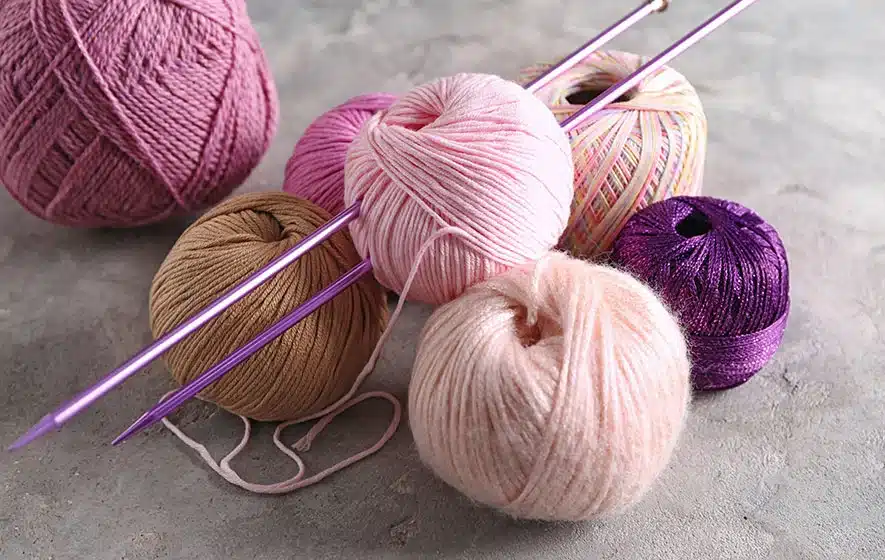
Yarn weight classification provides a standardized way to categorize yarn based on its thickness and density. This classification system is essential for ensuring that crafters can consistently choose the right yarn for their projects. Yarn weights are commonly categorized into several main groups, each with its own range of thicknesses.
Understanding these categories is the first step toward mastering your materials. From the finest threads to the thickest chunks, each weight serves a unique purpose in the crafting world.
Characteristics and Uses of Each Yarn Weight
Each yarn weight category has distinct characteristics that make it suitable for specific types of projects. Understanding these traits can help you choose the perfect yarn for your creations.
Lace
Lace yarn is the finest and thinnest yarn weight category. It produces delicate, intricate fabrics that are often used in lacework and heirloom pieces. Lace yarn is exceptionally fine and often features intricate textures. Its delicate nature makes it perfect for crafting lightweight shawls, doilies, and other ornamental pieces. The intricate patterns that can be achieved with lace yarn make it a favorite among experienced knitters and crocheters.
Fingering/Sock
Slightly thicker than lace yarn, fingering or sock yarn is ideal for lightweight garments, socks, and delicate accessories. Fingering yarn is still quite thin but slightly more substantial than lace yarn. It’s commonly used for crafting socks, as the finer texture creates comfortable and well-fitting footwear. Additionally, fingering yarn is suitable for crafting delicate baby garments and lightweight accessories like shawls and gloves.
Sport
Sport weight yarn is versatile and great for creating lightweight sweaters, baby clothes, and shawls. Sport weight yarn strikes a balance between lightweight and durability. It’s an excellent choice for creating garments like sweaters, cardigans, and light blankets. Its versatility makes it suitable for projects that require both comfort and a touch of warmth.
Worsted
One of the most widely used yarn weights, worsted yarn is perfect for a wide range of projects, including sweaters, blankets, and hats. Worsted yarn is a workhorse in the crafting world. With a slightly thicker and more robust structure, it’s suitable for crafting a wide range of items, from cozy winter wear to home decor such as afghans and pillow covers. Its balance between warmth and drape makes it a favorite among both beginners and experienced crafters.
Bulky
Bulky yarn works up quickly and is excellent for cozy, warm projects like scarves, blankets, and chunky sweaters. Bulky yarn is known for its quick project completion. Its thickness lends itself well to cozy scarves, hats, and blankets that knit up rapidly. This yarn weight is a popular choice for those new to knitting or crocheting, as it provides relatively fast results.
Super Bulky
For projects that require an extra layer of warmth and luxury, super bulky yarn is an excellent option. It’s perfect for crafting chunky scarves, cowls, and even oversized sweaters. Due to its thickness, it’s an ideal choice for last-minute gifts or projects that need to be completed promptly.
Jumbo
The thickest yarn weight category, jumbo yarn, creates a truly unique and visually striking outcome. Its chunky texture is perfect for crafting statement pieces such as chunky rugs, oversized poufs, and dramatic winter accessories.
Matching Yarn Weight to Project
Selecting the appropriate yarn weight for your project is essential to achieve the desired outcome. The wrong yarn weight can lead to an ill-fitting garment, an overly dense fabric, or a piece that lacks the intended drape. Selecting the ideal yarn for your project depends on several factors:
- Project Type: Consider the purpose of your project. Is it a warm winter scarf, a delicate lace doily, or a lightweight summer top? Different projects call for different yarns.
- Texture: Think about the texture you want to achieve. Wool and alpaca can create a cozy, fuzzy texture, while cotton and bamboo provide a smooth, crisp finish.
- Color: Your color choice can dramatically impact the final look of your project. Think about the recipient’s preferences and the project’s intended use.
- Care Requirements: Consider the care instructions for your project. Some yarns are machine-washable, while others require delicate handwashing. Choose a yarn that aligns with your maintenance preferences.
- Budget: Yarn comes in a wide range of prices. Set a budget that works for you and explore yarn options within that range.
- Personal Preference: Trust your instincts and personal style. You’re the artist, and your choices will make your crochet creations unique.
Adjusting Hook or Needle Size
Along with selecting the right yarn weight, you’ll need to use an appropriate hook or needle size to match. Most yarn labels include recommendations for the ideal hook or needle size, which ensures that the finished piece turns out as intended. Using the correct hook size helps maintain the proper gauge and fabric density, ensuring your project has the right drape and structure.
Yarn Weight Conversion
It’s worth noting that yarn weight terminology can vary between countries. While the categories themselves remain relatively consistent, the names and numbers might differ. If you’re following a pattern from a different region, make sure to check the recommended yarn weight and its characteristics before starting your project.
Frequently Asked Questions
What is the most versatile yarn weight for beginners?
Worsted weight yarn is often considered the most versatile for beginners. It is easy to handle, works up at a moderate speed, and is suitable for a wide variety of projects including sweaters, blankets, and hats.
How does yarn weight affect the drape of a garment?
Thinner yarns like lace and fingering generally create fabrics with better drape, meaning they hang more fluidly. Thicker yarns like bulky and jumbo create stiffer, more structured fabrics that hold their shape but may not drape as softly.
Can I substitute a different yarn weight in a pattern?
While you can substitute yarn weights, it will significantly change the finished size and texture of the project. If you substitute, you will likely need to adjust your hook size and calculate a new gauge to ensure the item fits correctly.
Why do yarn labels recommend specific hook sizes?
Yarn labels recommend specific hook sizes to help you achieve the intended gauge and fabric density. Using the recommended size ensures the yarn behaves as the pattern designer intended, providing the correct warmth, drape, and fit.
Is jumbo yarn suitable for wearable items?
Yes, jumbo yarn can be used for wearable items like oversized sweaters or chunky cowls. However, because it is so thick, projects work up very quickly but can be heavy and warm, making them best for statement pieces rather than everyday wear.
Pin This Crochet Pattern!