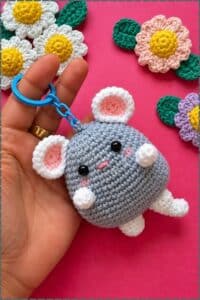
There is something undeniably magical about holding a finished amigurumi creation in your hands. The soft, squishy texture invites a squeeze, while the tidy, precise stitches showcase a level of craftsmanship that feels surprisingly achievable even for a novice. Whether it is a whimsical animal or a simple geometric shape, these handmade treasures are not only display-worthy but also make for heartfelt, giftable keepsakes that bring a smile to anyone’s face.
Why the Finished Piece Stands Out
Amigurumi holds a special place in the crochet world because it transforms simple yarn into three-dimensional characters and objects. The appeal lies in the contrast between the soft, pliable yarn and the structured, sculptural form. For beginners, the satisfaction comes from mastering the “magic ring” and working in continuous rounds to create that seamless, professional finish. The tactile nature of these projects makes them perfect for stress relief, and the ability to customize colors allows you to create unique pieces that reflect your personal style. From cozy home decor accents to playful toys, the versatility of amigurumi ensures that every project feels like a small victory.
Project Overview
This guide serves as a comprehensive introduction to the art of crochet, specifically tailored for beginners looking to explore the world of amigurumi. Crochet is a versatile handicraft that involves creating fabric by interlocking loops of yarn using a single crochet hook. Unlike knitting, which requires two needles, crochet offers endless possibilities for creating various items, including clothing, accessories, and home decor. By understanding the basics, stitches, and patterns, you will unlock a world of creative possibilities.
Materials
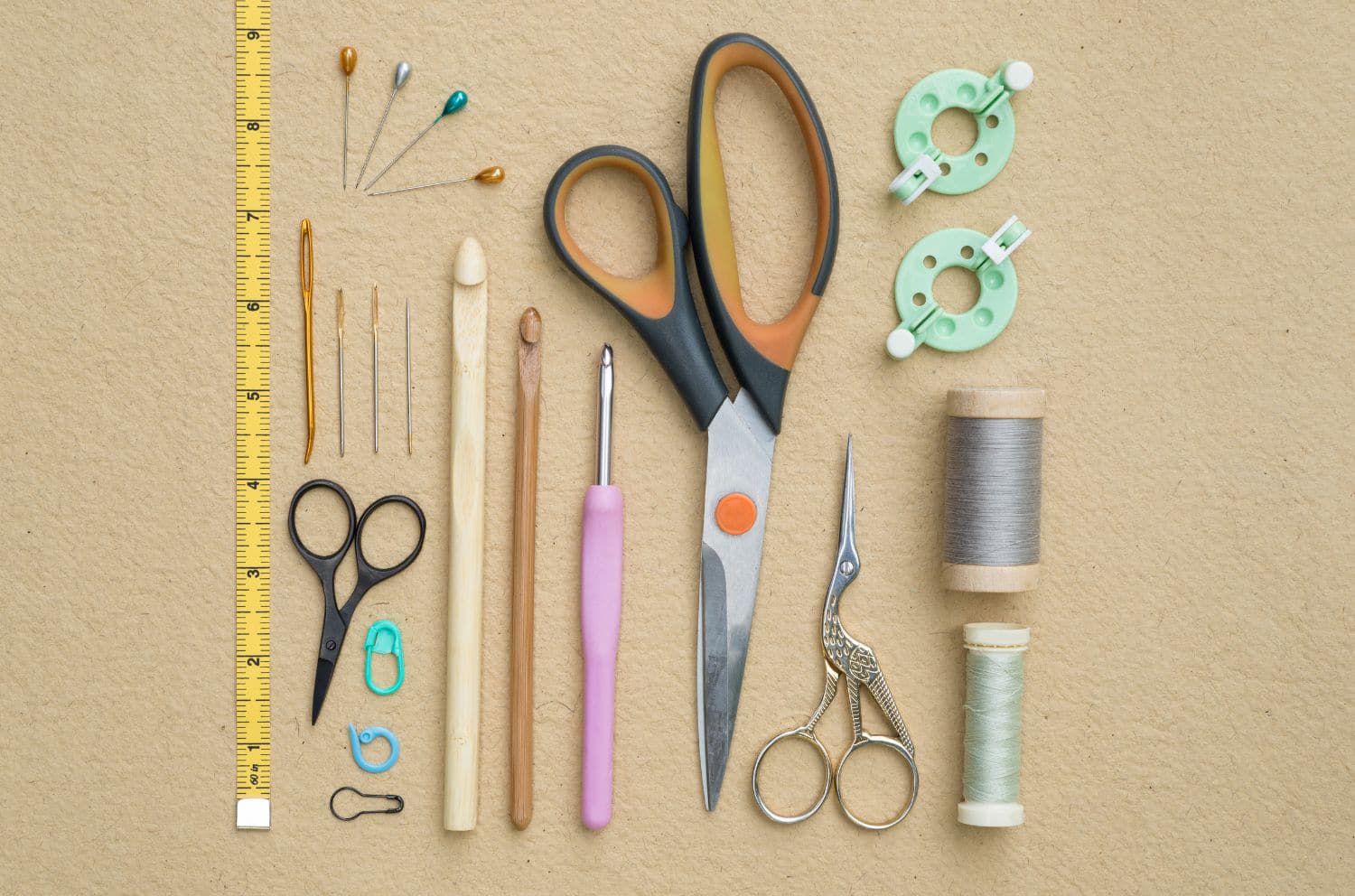
To begin your crochet journey, you will need a few essential items:
- A crochet hook
- Yarn in your preferred color
- A beginner-friendly pattern
Gauge and Finished Size
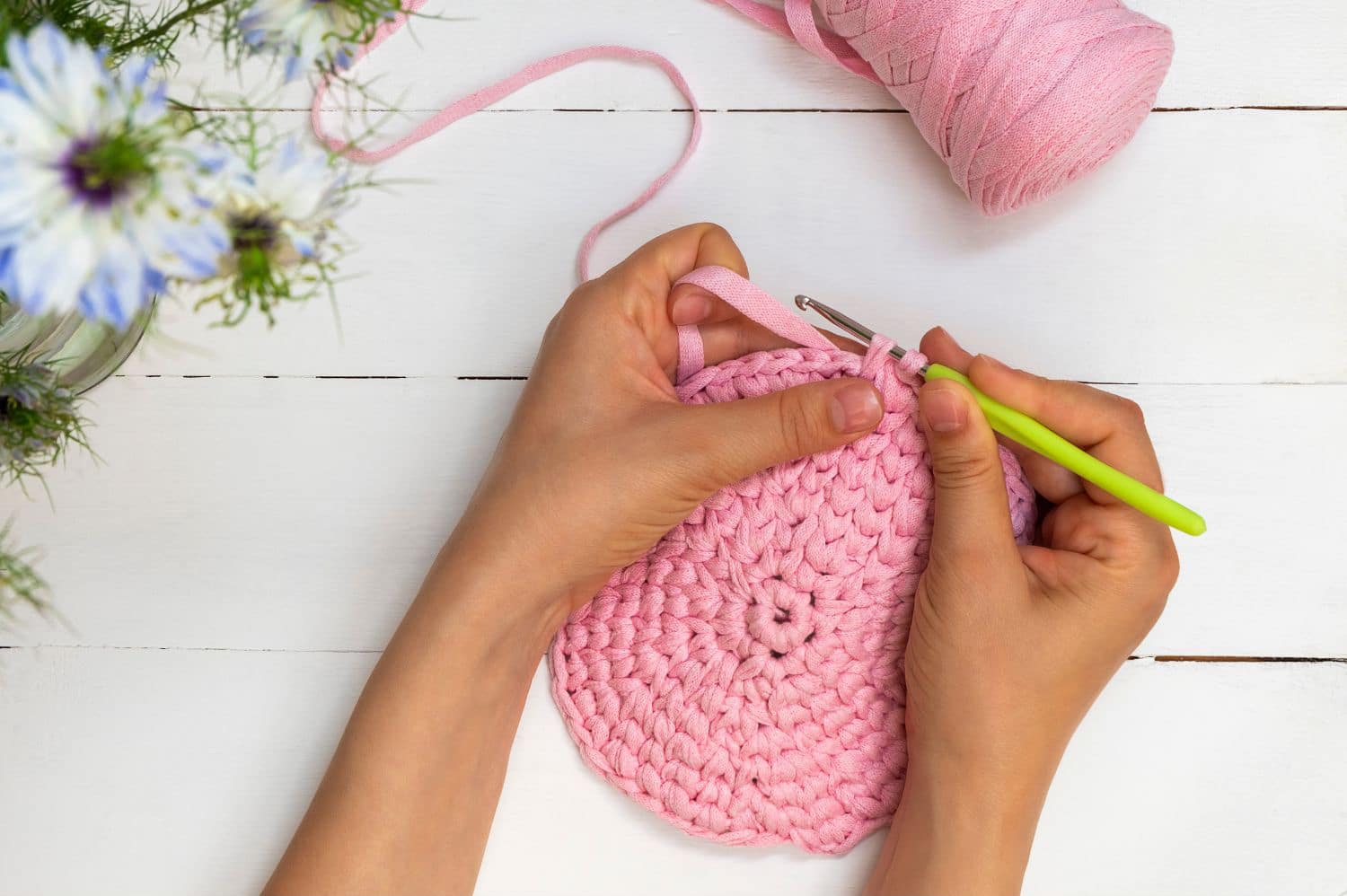
Always make a gauge swatch before starting a project. It helps you determine if your tension matches the pattern’s requirements. Adjust your hook size as needed to achieve the correct gauge. Consistent tension and even stitches are essential for achieving a professional finish in your crochet work.
Abbreviations
While specific abbreviations depend on the pattern you choose, understanding standard terms is crucial. Common stitches include:
- sl st: Slip stitch
- sc: Single crochet
- hdc: Half-double crochet
- dc: Double crochet
- tr: Treble crochet
Pattern Notes
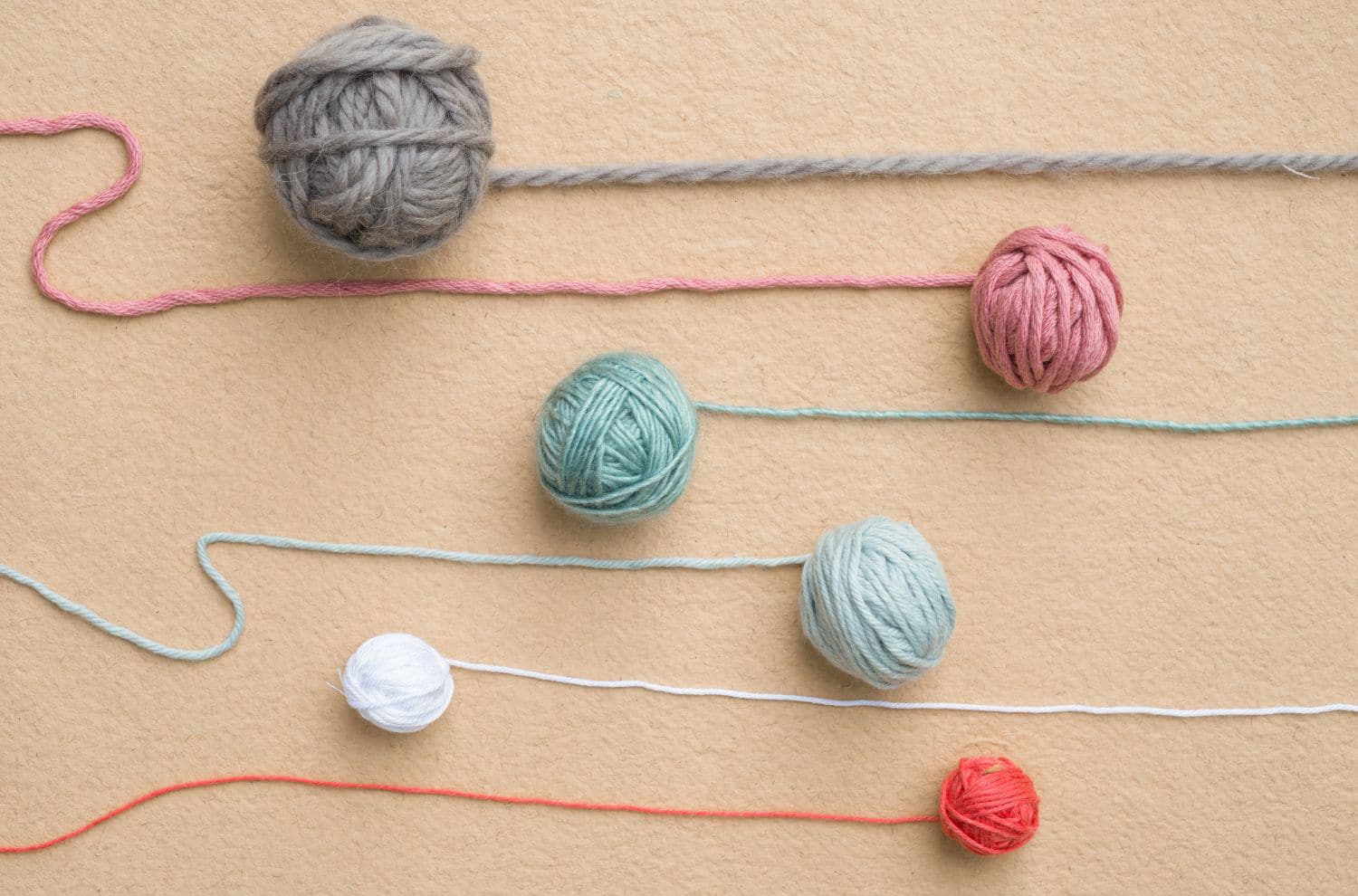
Reading crochet patterns might seem daunting at first, but with a bit of practice and an understanding of the basics, you’ll unlock a world of creative possibilities. Make reading and writing crochet patterns easier by paying attention to the following factors:
- Yarn Weight: Check the pattern for the recommended yarn weight (e.g., worsted, sport, or bulky). Select a substitute yarn with the same weight to maintain the project’s size and drape.
- Fiber Content: Pay attention to the fiber content of the recommended yarn (e.g., cotton, acrylic, wool). Choose a substitute yarn with a similar fiber composition to achieve a comparable feel and appearance.
- Texture and Finish: Consider the texture and finish of the recommended yarn. For example, if the original yarn has a soft, matte finish, look for a substitute with similar characteristics.
- Color: Match the color requirements of your pattern, or use the opportunity to experiment with different shades and color combinations that suit your personal style.
- Yardage: Ensure that the substitute yarn has a similar yardage per skein to avoid running out before completing your project.
- Gauge: Make a gauge swatch using your chosen substitute yarn and the recommended crochet hook to ensure your tension matches the pattern’s requirements.
Pattern Instructions
Before diving into specific amigurumi patterns, it is essential to master the foundational steps of crochet. This guide covers the step-by-step process required to start your first project.
Getting Started
Properly holding your crochet hook is the first step in mastering the art. You can use a Pencil Grip, holding the hook like a pencil with the thumb and index finger near the head, or a Knife Grip, where the handle rests against the palm. When it comes to holding the yarn, find a grip that feels comfortable, often holding the yarn between your fingers to maintain tension.
Foundation and Chains
The chain is a series of interconnected loops that form the base for your crochet work. To begin, you must learn How to Tie a Slip Knot. From there, you will learn How to Yarn Over to create chain stitches. The length of your foundation chain determines the width of your project.
Turning Chains
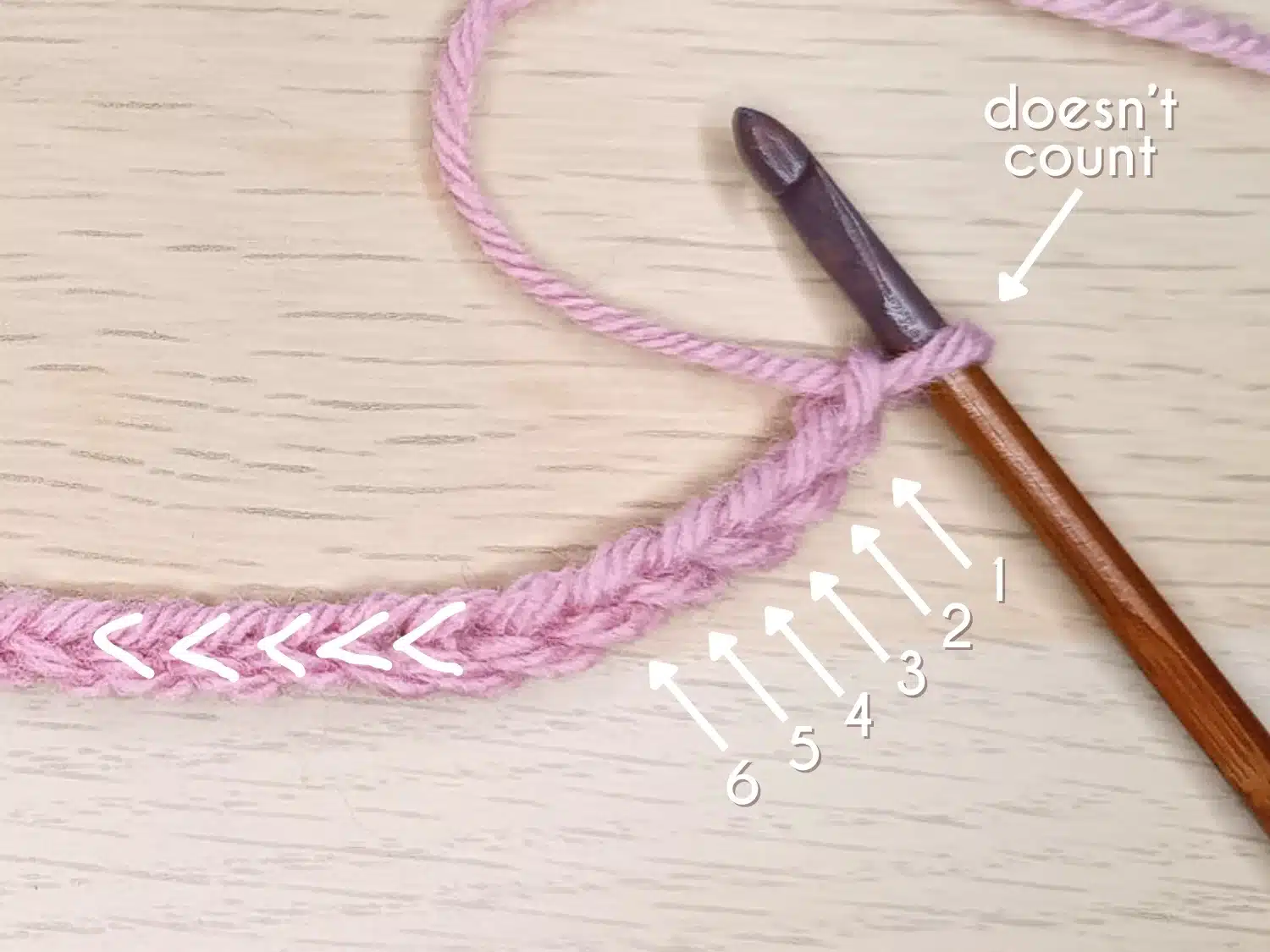
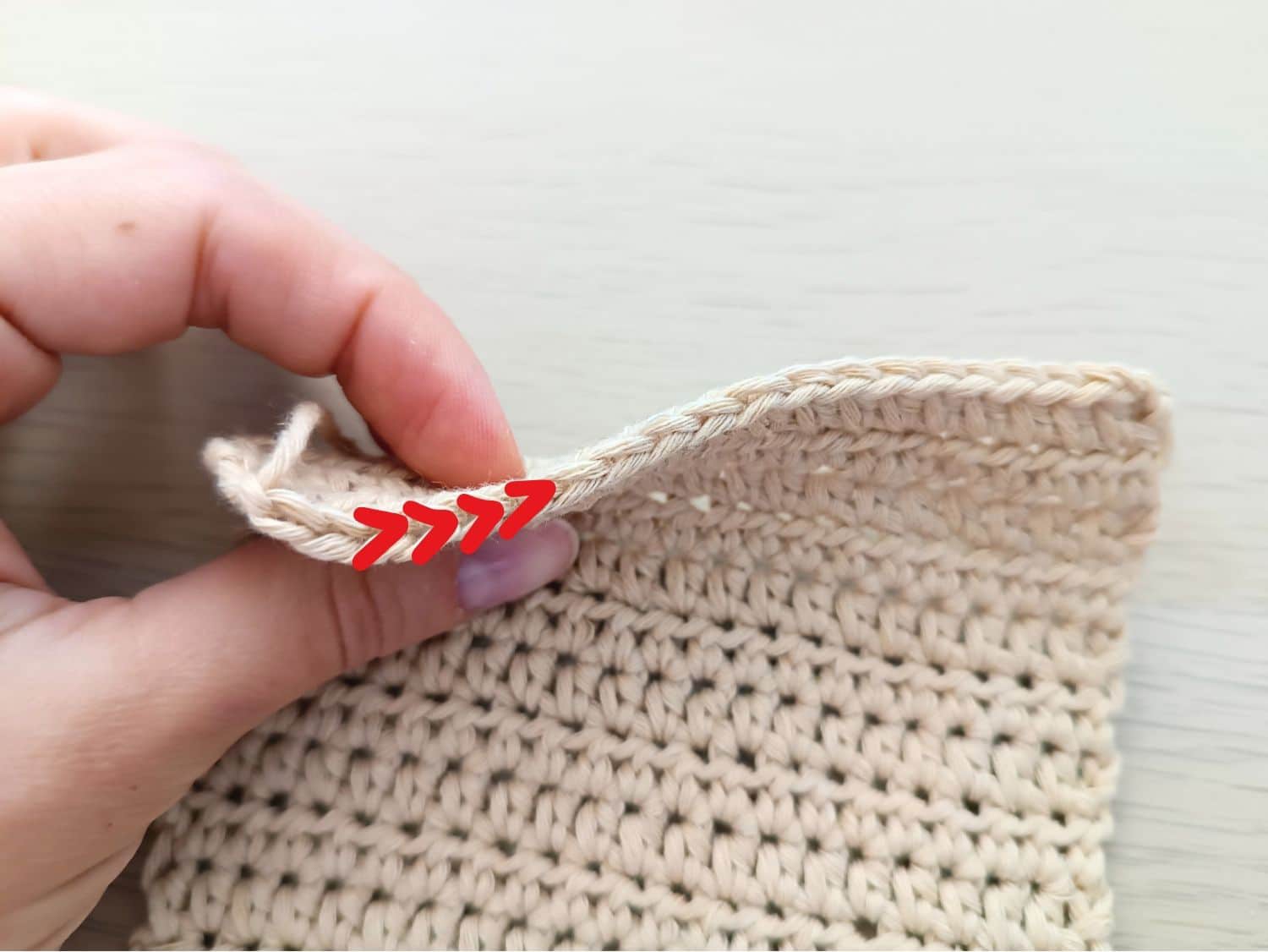
Turning chains play a significant role in shaping your work. They add height, allow you to turn your work without distortion, and create a stable edge. When counting chains, remember that the number of chains required depends on the stitch:
- Single Crochet (sc): 1 chain (does not count as a stitch)
- Half Double Crochet (hdc): 2 chains (counts as a stitch)
- Double Crochet (dc): 3 chains (counts as a stitch)
- Treble Crochet (tr): 4 chains (counts as a stitch)
When starting a foundation chain, omit the necessary number of stitches for your turning chain before inserting your hook into the first stitch.
Basic Stitches
As you progress, you will work with different crochet stitches. Essential stitches include the Slip Stitch (sl st), Single Crochet (sc), Half-Double Crochet (hdc), and Double Crochet (dc). For more complex textures, you may explore Treble Crochet (tr), Double Treble (dtr), and Triple Treble (trtr / ttr).
Crocheting in the Round
Amigurumi is typically worked in continuous rounds. To start, learn How to Make a Magic Ring, which creates a tight center hole. You can then practice How to Crochet a Flat Circle to understand how to maintain even tension and stitch counts.
Shaping and Finishing
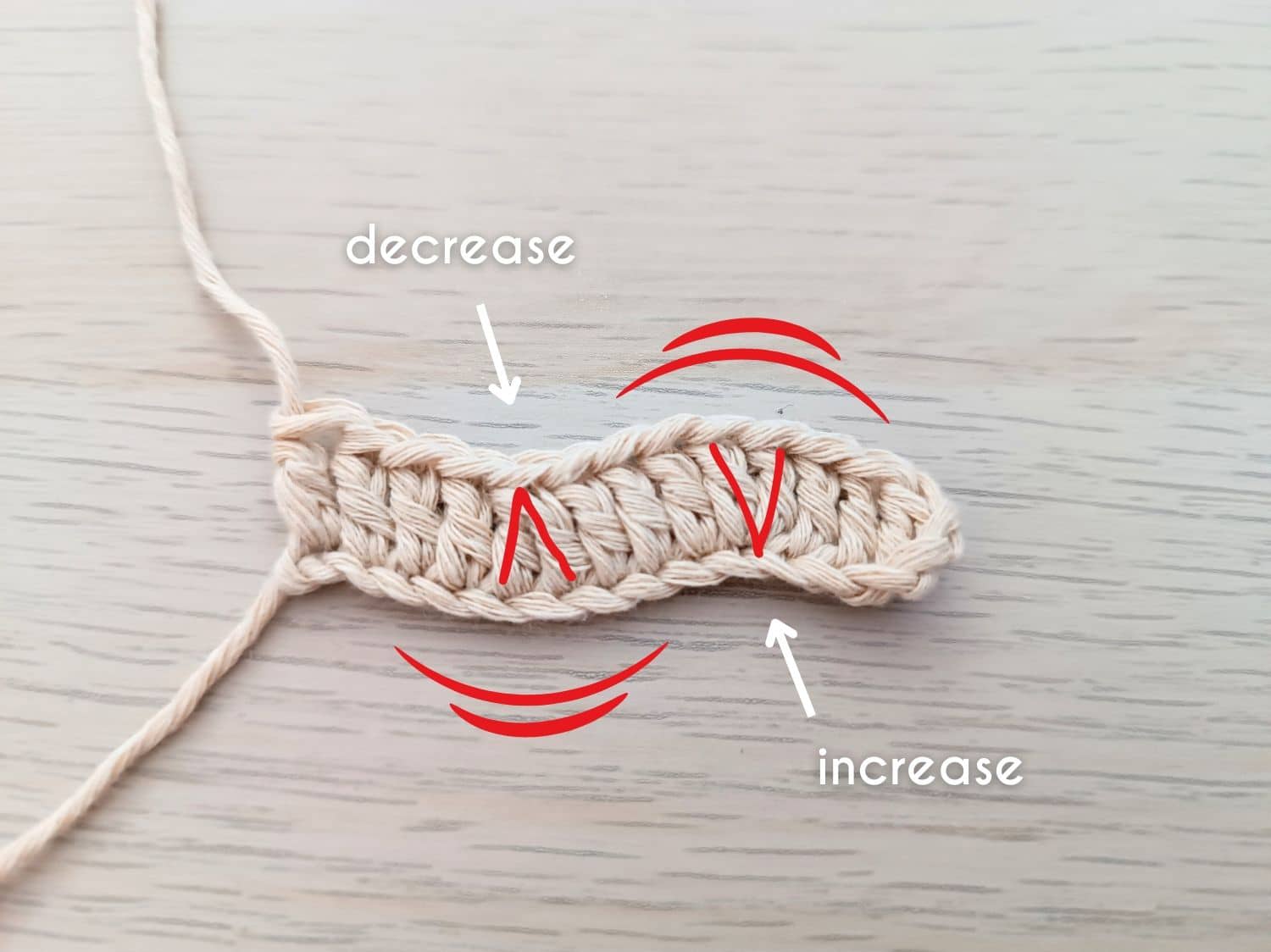
Mastering Increases and Decreases is vital for creating the 3D shapes characteristic of amigurumi. Follow your pattern instructions closely for when to make these changes. Finally, learn How to Fasten Off to secure your work and How to Fix Common Mistakes to correct errors seamlessly.
Assembly
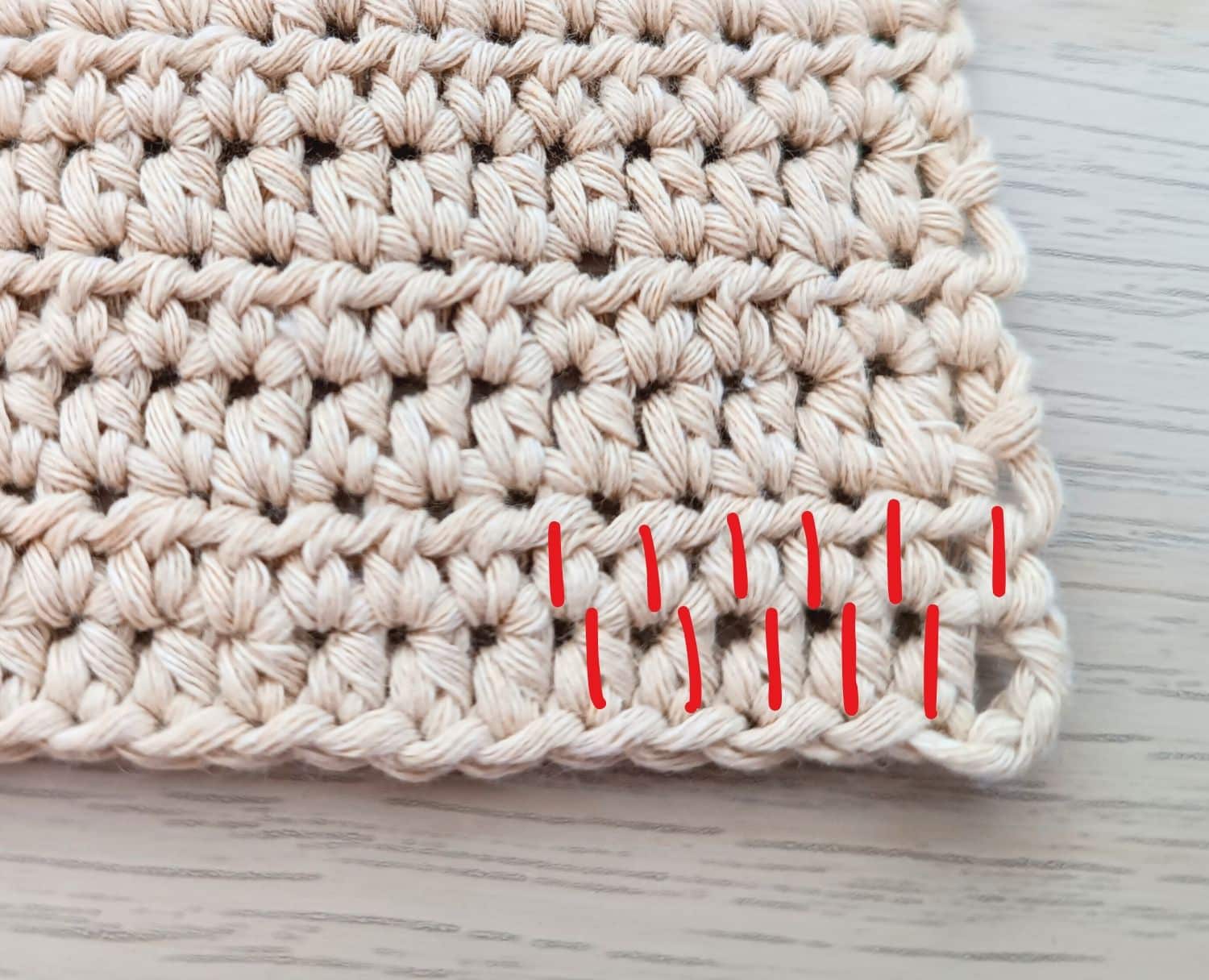
Once your individual pieces are complete, you may need to join them. Learn the best ways to join crochet squares with our comprehensive guide, or refer to your specific amigurumi pattern for stuffing and closing instructions.
Tips
By practicing these techniques and staying attentive to your stitch count and tension, you’ll be well on your way to creating beautiful, evenly crocheted projects you can be proud of.
Maintaining Evenness
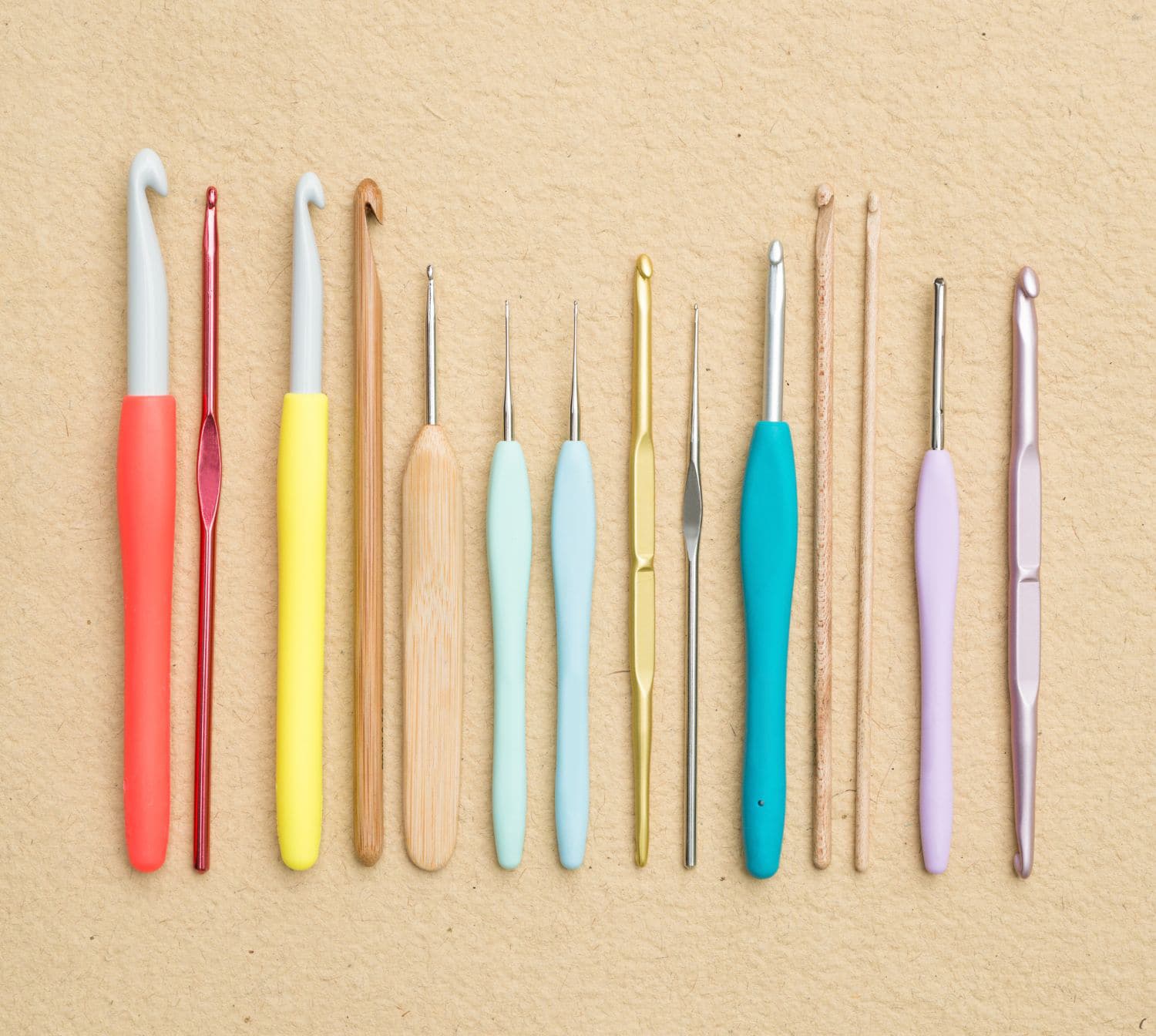
Practice Regularly – Like any skill, crochet improves with practice. Spend time working on swatches and small projects to refine your tension. Choose the Right Hook – Use the hook recommended in your pattern or experiment with different hook sizes to achieve the desired tension. A larger hook creates looser stitches, while a smaller hook results in tighter stitches. Focus on Tension – Pay attention to how tightly you hold the yarn and maintain consistent tension throughout your project. If your tension is uneven, your stitches will be as well. Block Your Work – Blocking is a technique where you wet your finished project, shape it, and allow it to dry. This can help even out stitches and make your work look more polished. Use Stitch Markers – In more complex patterns or when working in the round, consider using stitch markers to mark the beginning of each round. This can help you keep track and ensure your stitch count remains consistent. Count Regularly – Don’t wait until the end of a row or round to count your stitches. Periodically check your stitch count to catch any mistakes early.
Mastering Increases and Decreases
Follow Your Pattern: Pay close attention to your crochet pattern instructions, as they will specify when and how to make increases and decreases. Count Stitches: Keep track of your stitch count to ensure that you have the correct number of stitches before and after making increases or decreases. Practice: Practice these techniques on small swatches before applying them to larger projects to get a feel for how they work. Tension Matters: Maintain even tension when making increases and decreases to keep your work looking neat and consistent. Experiment: Don’t be afraid to experiment with different increase and decrease methods to achieve unique shapes and textures in your crochet projects.
Choosing Substitute Yarn
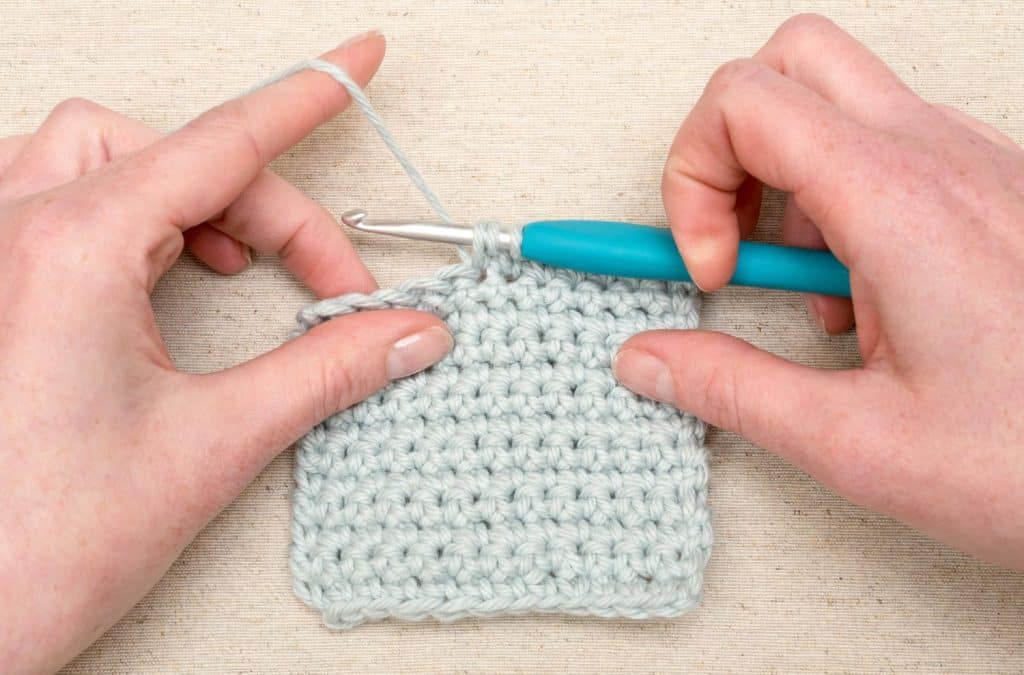
Keep Swatching: Always create a gauge swatch before diving into your project. This allows you to assess the drape, texture, and overall appearance of your chosen substitute yarn. Consider Texture: Think about how the texture of your substitute yarn will affect the stitch pattern. Some stitch patterns may look different with a textured or fuzzy yarn compared to a smooth one. Check Dye Lots: If you’re buying multiple skeins of substitute yarn, be sure to check the dye lots to ensure consistent color throughout your project. Ask for Advice: Seek guidance from experienced crocheters or yarn shop experts when choosing substitute yarns, especially if you’re unsure about the characteristics of a particular yarn. Embrace Creativity: Remember that choosing a substitute yarn can be an opportunity to put your own creative spin on a pattern. Don’t be afraid to experiment and make the project uniquely yours.
FAQs
How do I start crocheting for amigurumi?
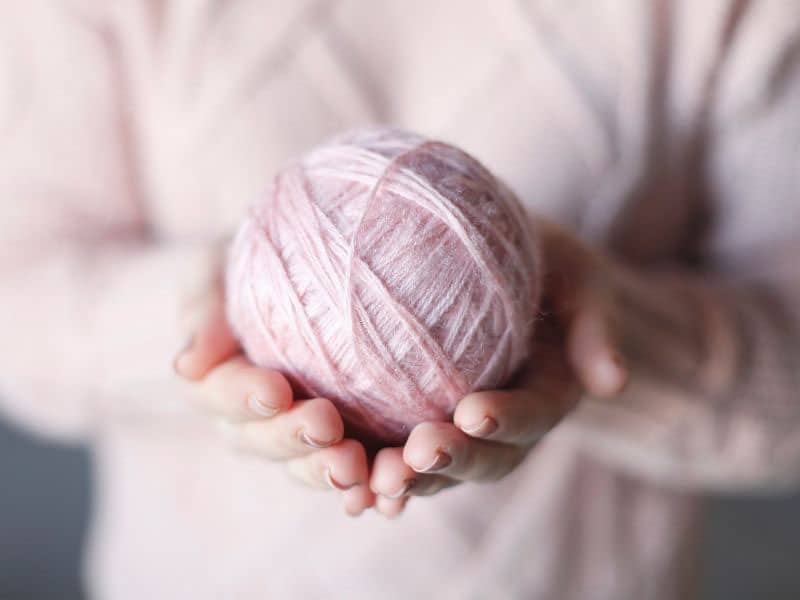
Start by gathering a crochet hook, beginner-friendly yarn, and a simple pattern. Learn to make a slip knot, create a foundation chain, and master the single crochet stitch worked in the round using a magic ring.
What is the best yarn for amigurumi?
Acrylic or cotton blends are popular choices for beginners because they are durable, easy to care for, and have a smooth texture that makes stitch definition clear. Always check the yarn weight and ensure it matches your pattern’s recommendations.
How do I keep my amigurumi tight so stuffing doesn’t show?
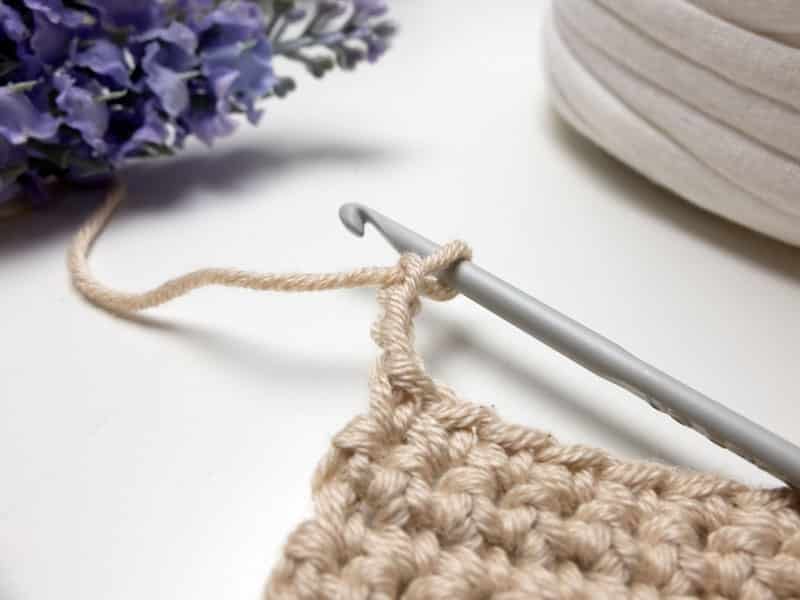
Use a slightly smaller hook than recommended for your yarn to create tighter stitches, or maintain a firm, consistent tension. Working in continuous rounds without joining can also help prevent gaps.
How do I fix mistakes in my crochet pattern?
Don’t wait until the end of a row to count your stitches. Periodically check your count to catch errors early. If you spot a mistake, you can often unravel back to the error or use a crochet hook to fix loose loops before they become larger issues.
Can I use any crochet hook for amigurumi?
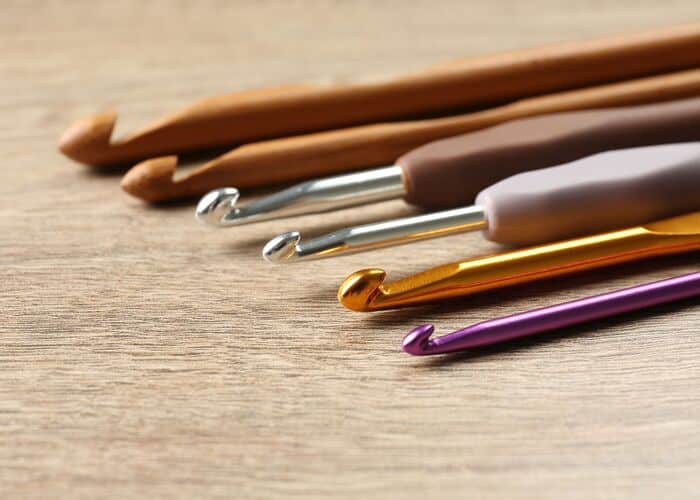
While you can use various hook sizes, the size significantly impacts the final size and drape of your project. Smaller hooks create tighter fabric, which is ideal for amigurumi to prevent stuffing from showing. Always refer to the pattern’s recommended hook size for the best results.
Pin This Crochet Pattern!